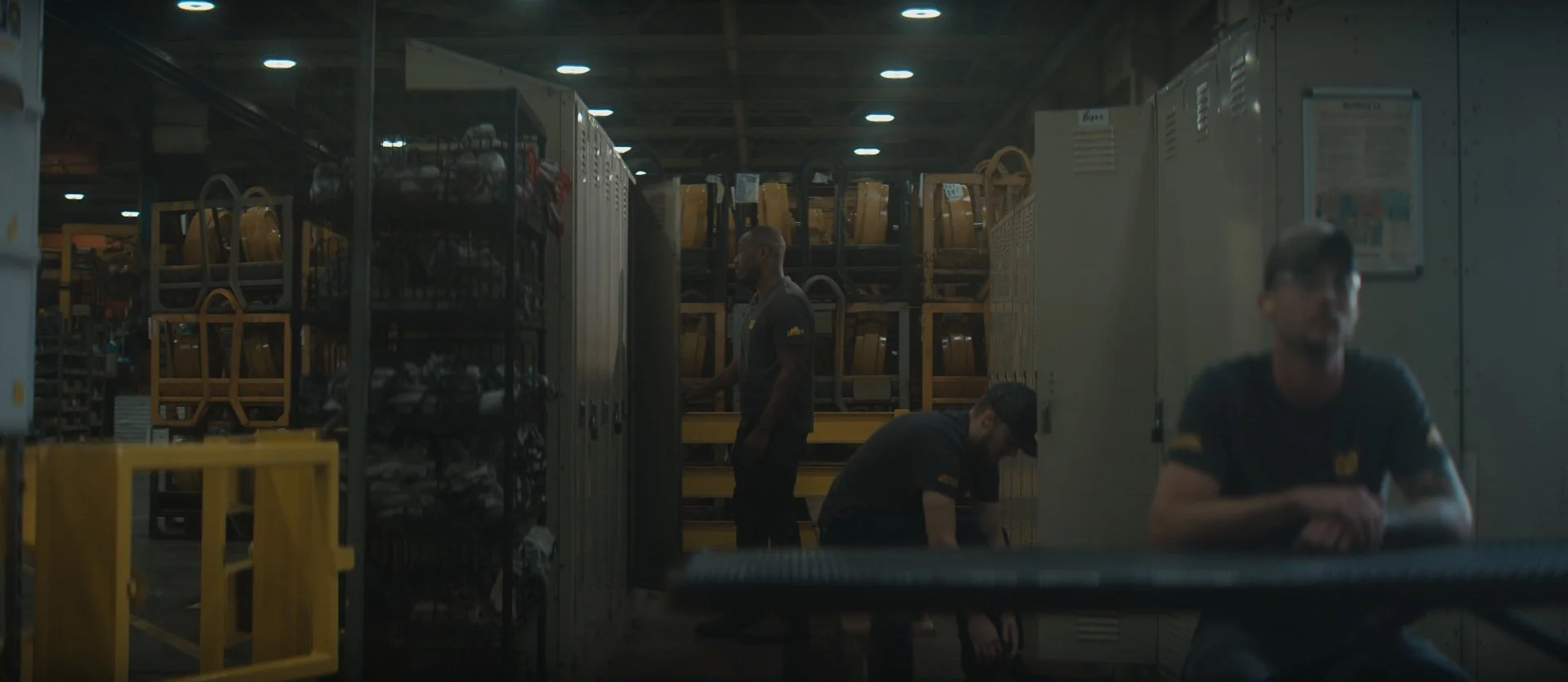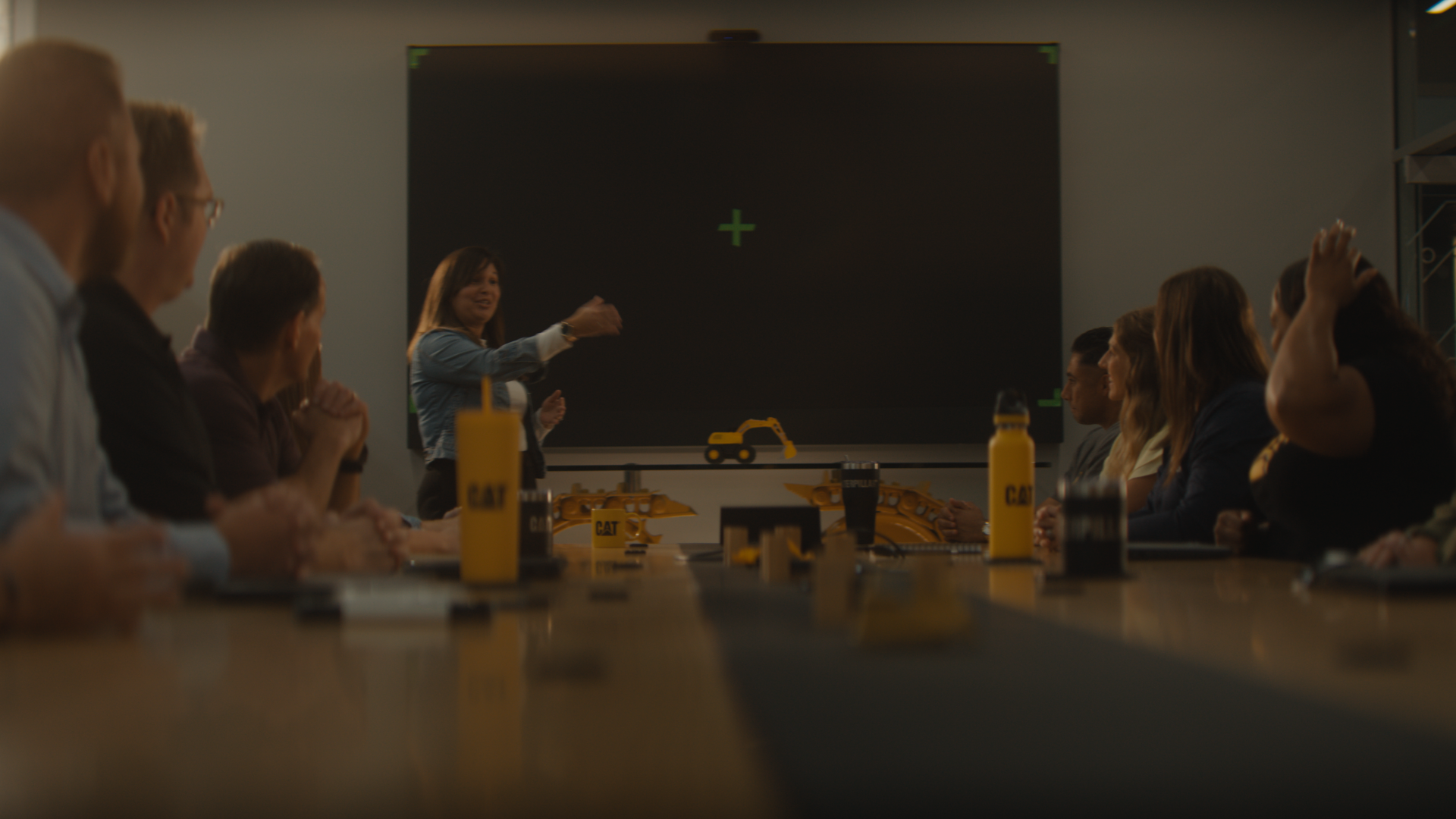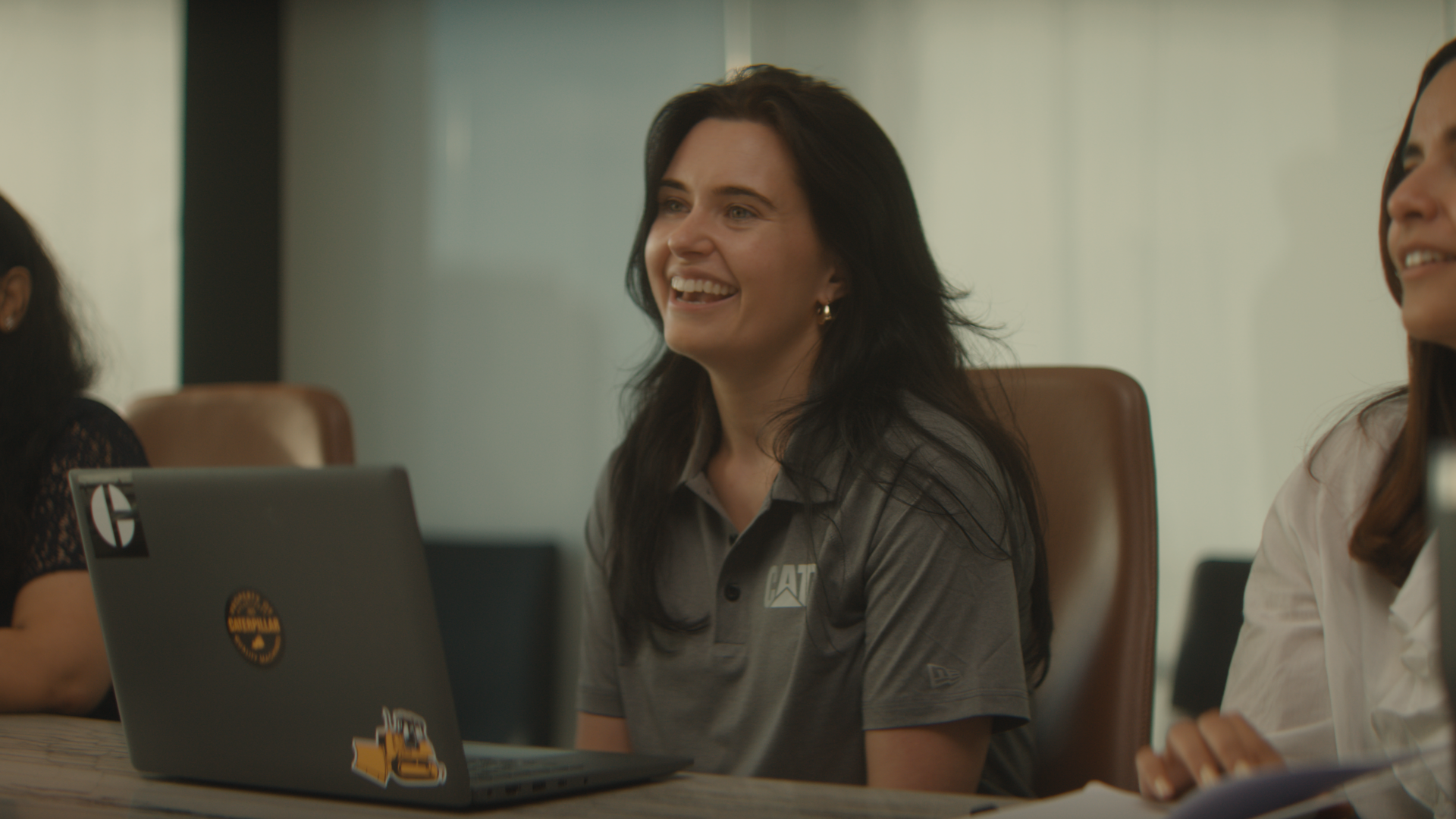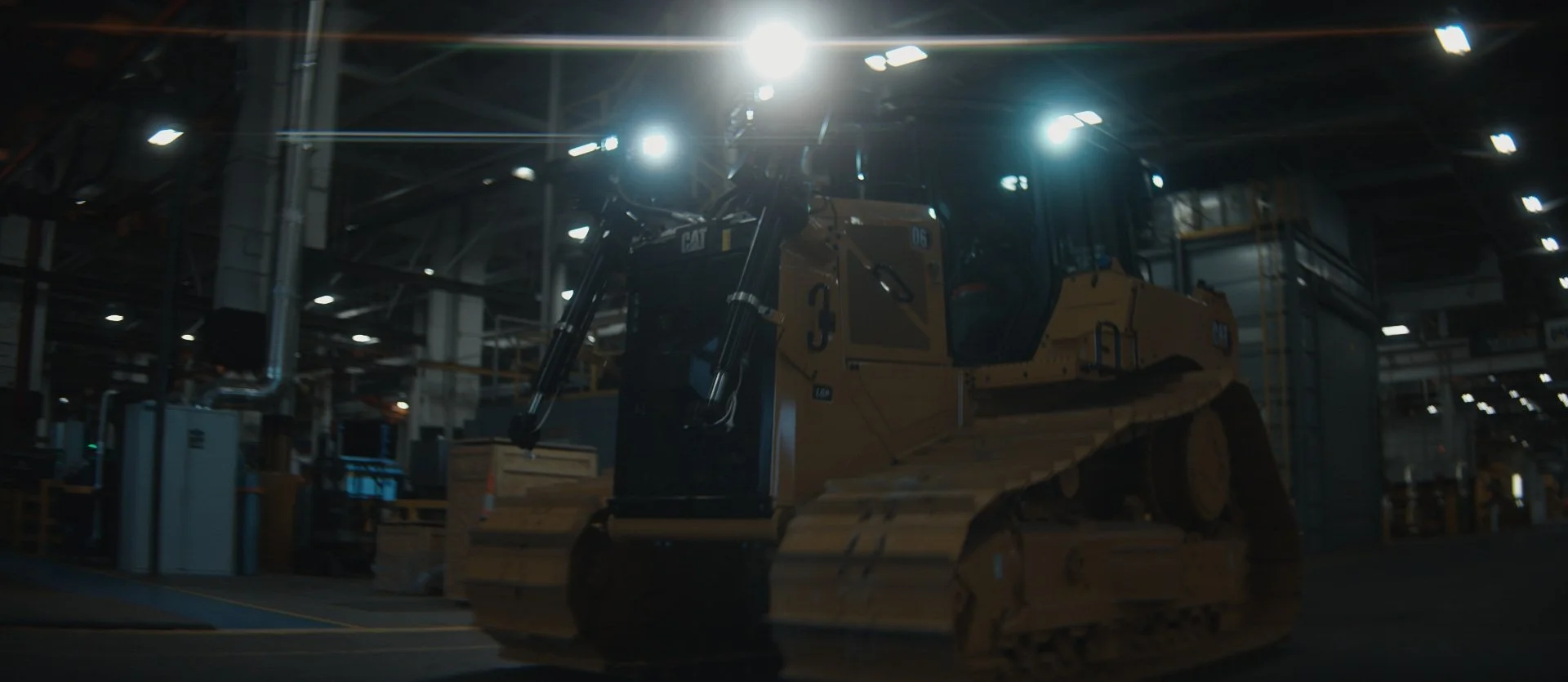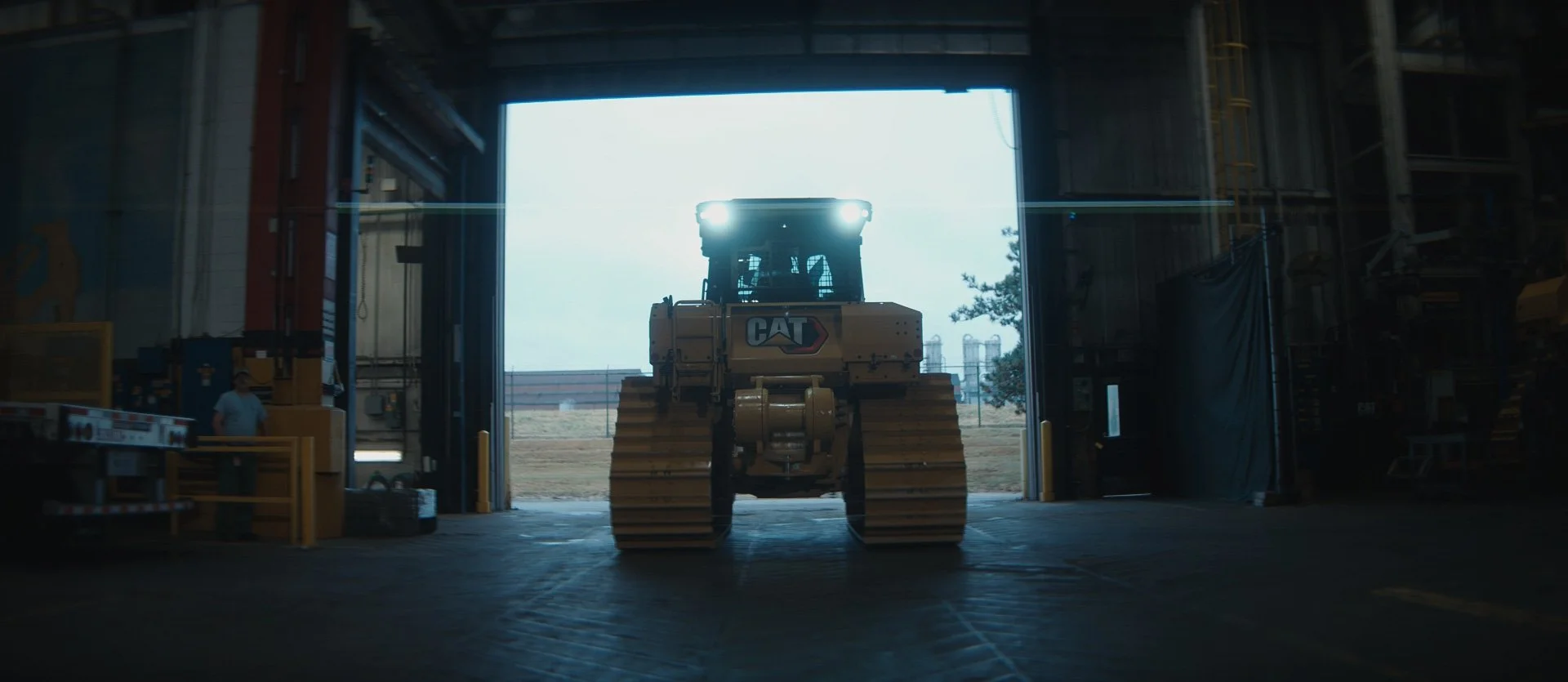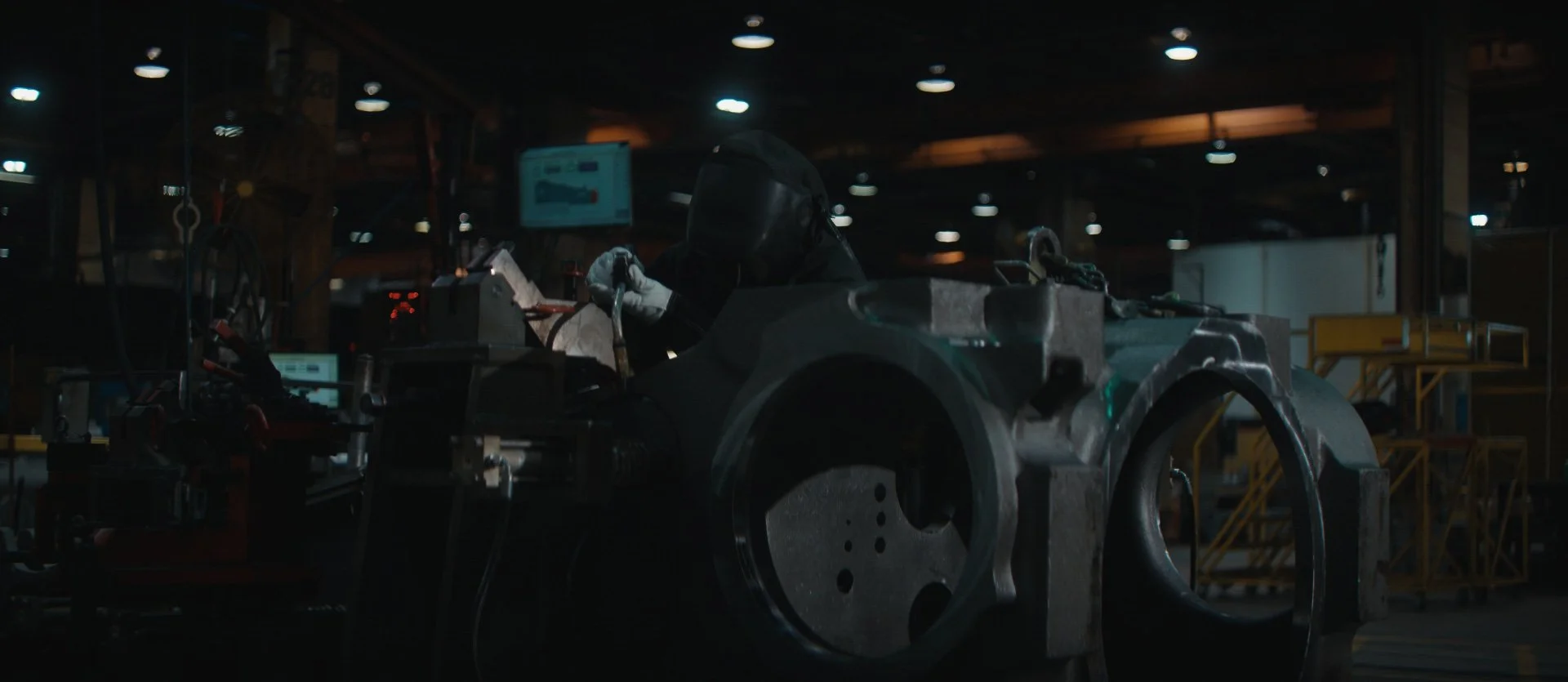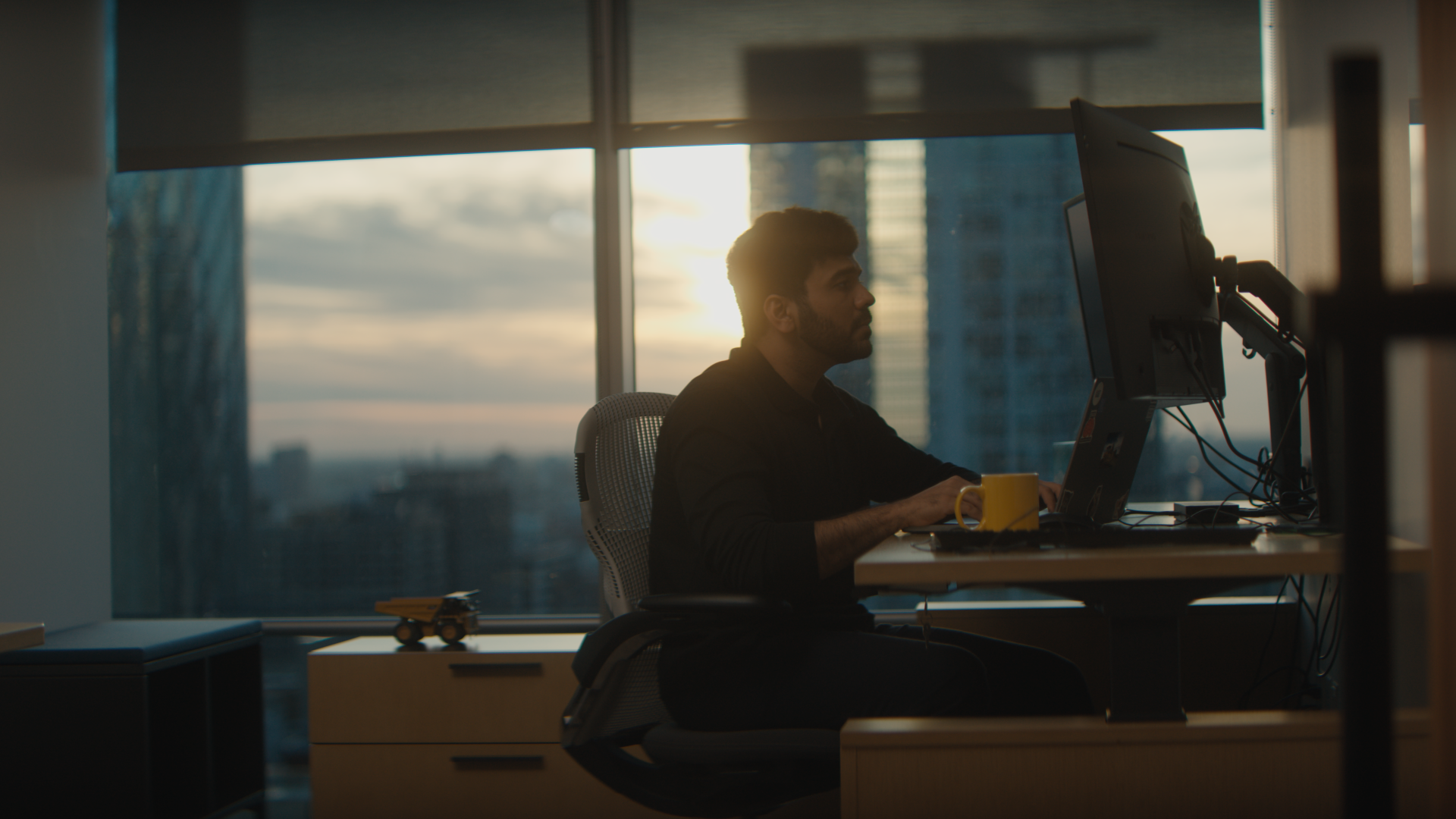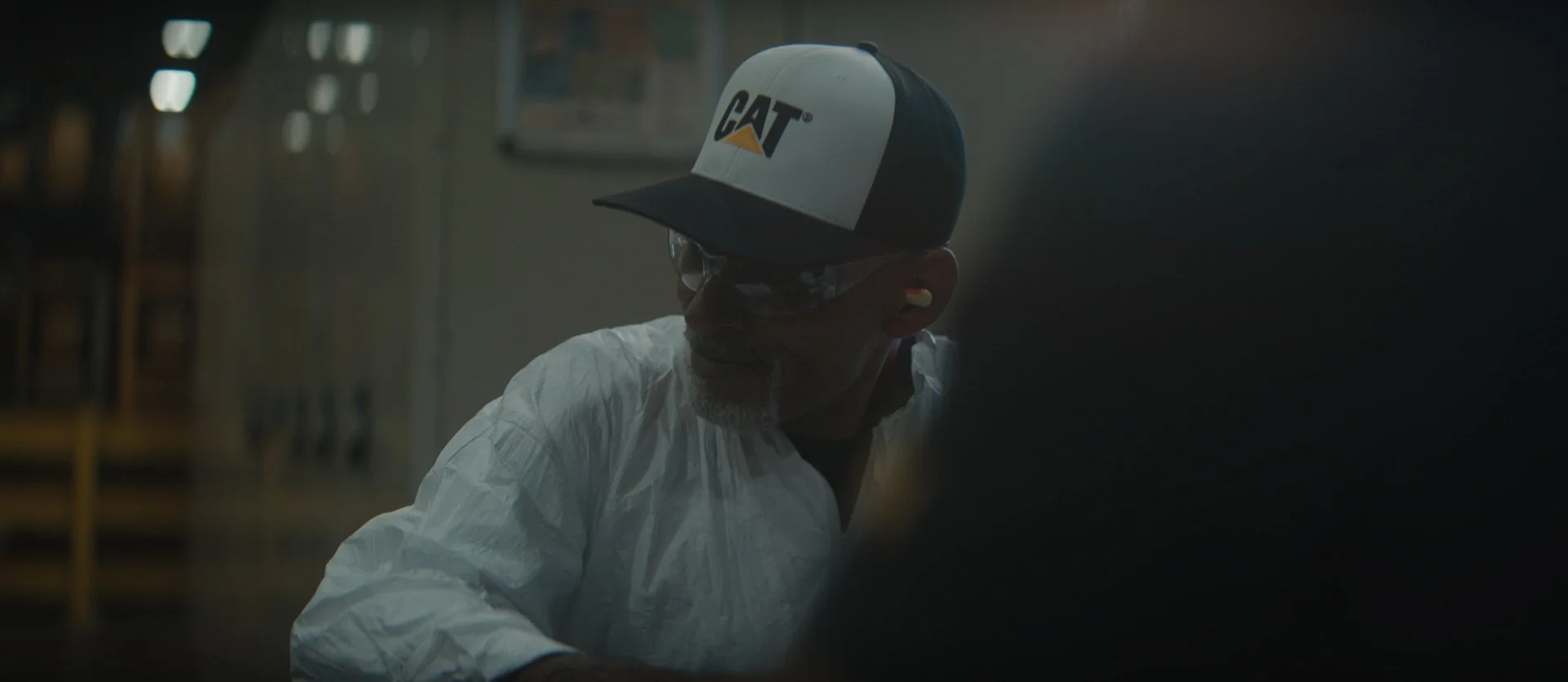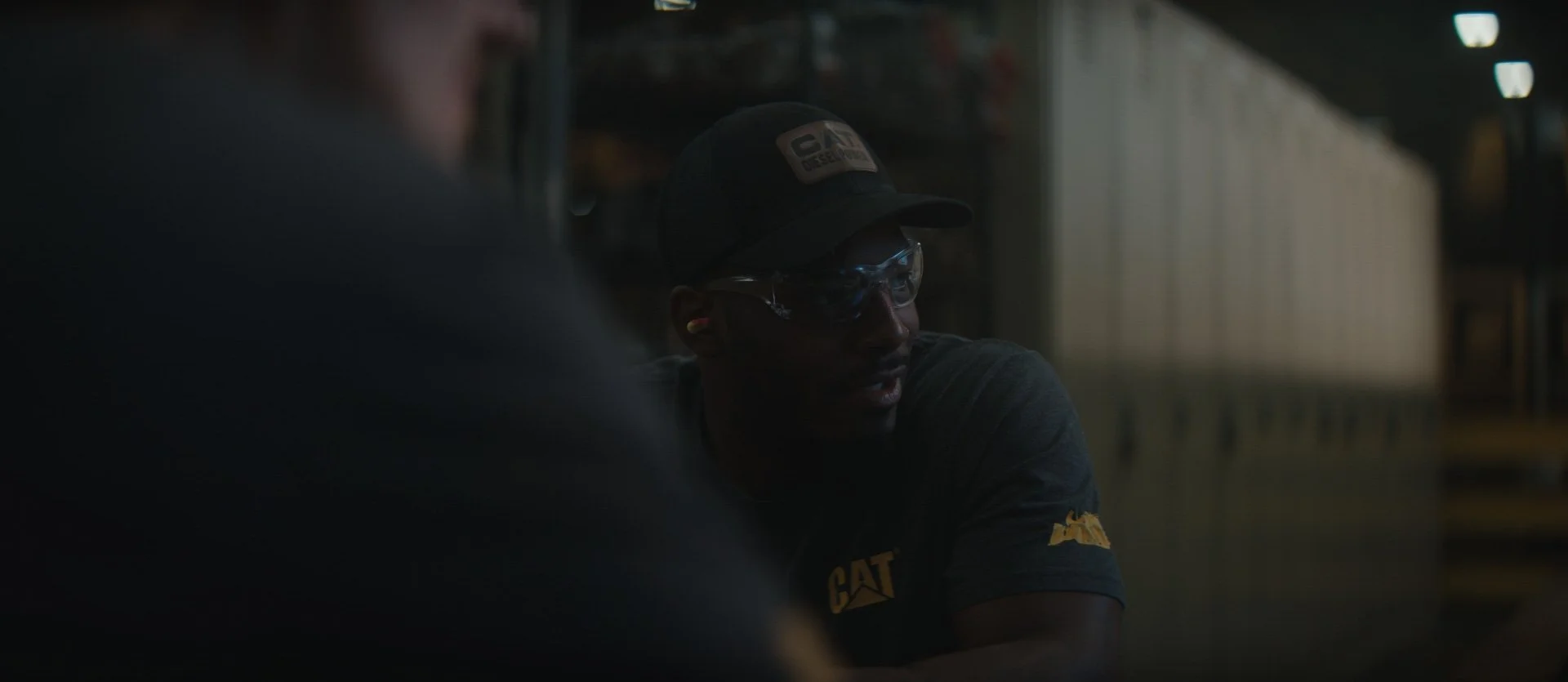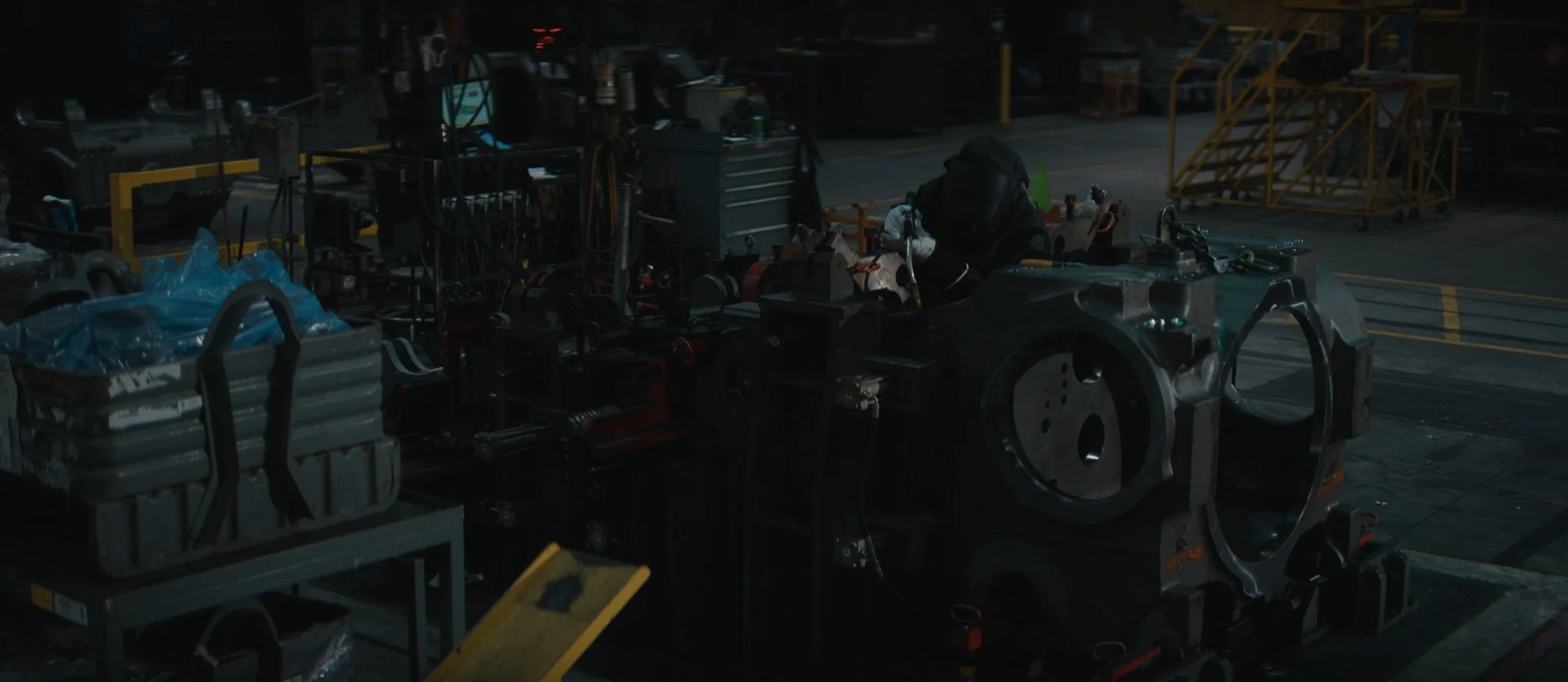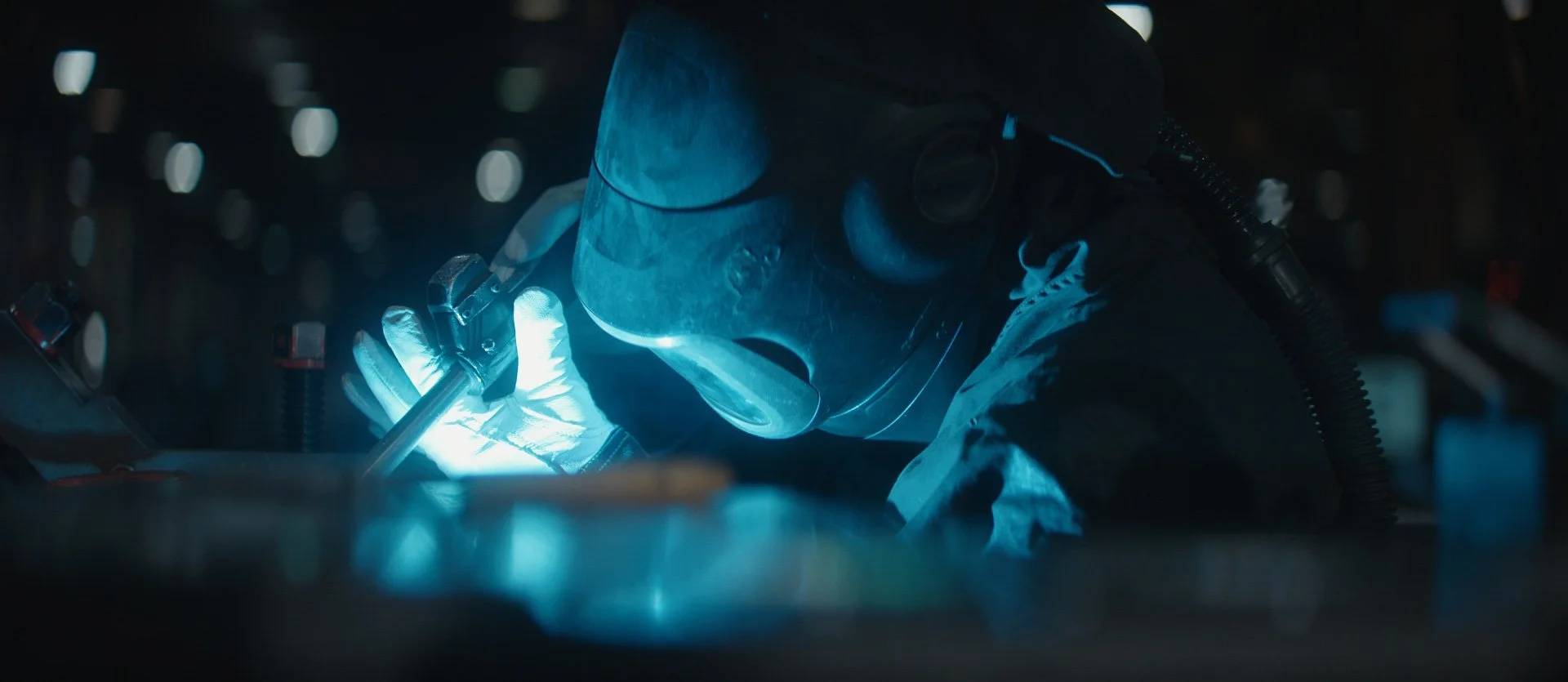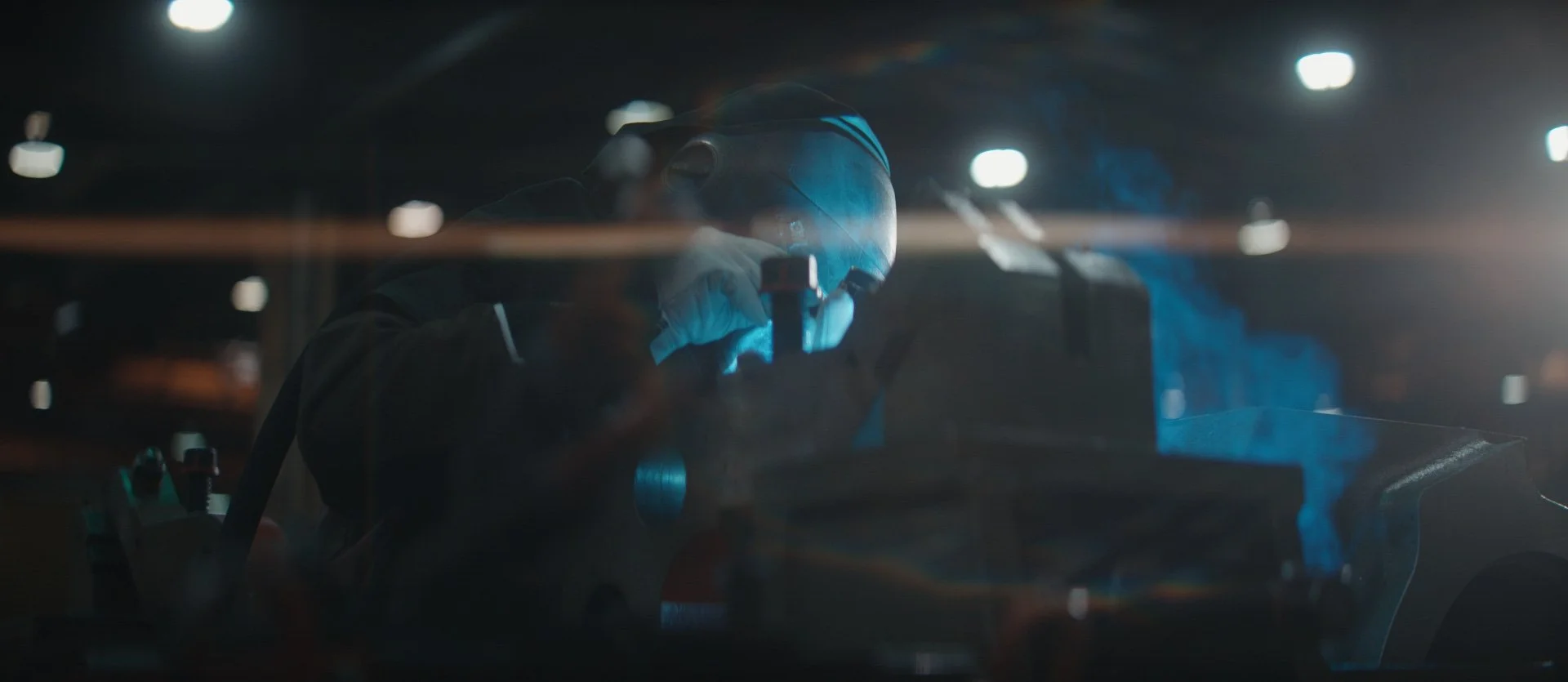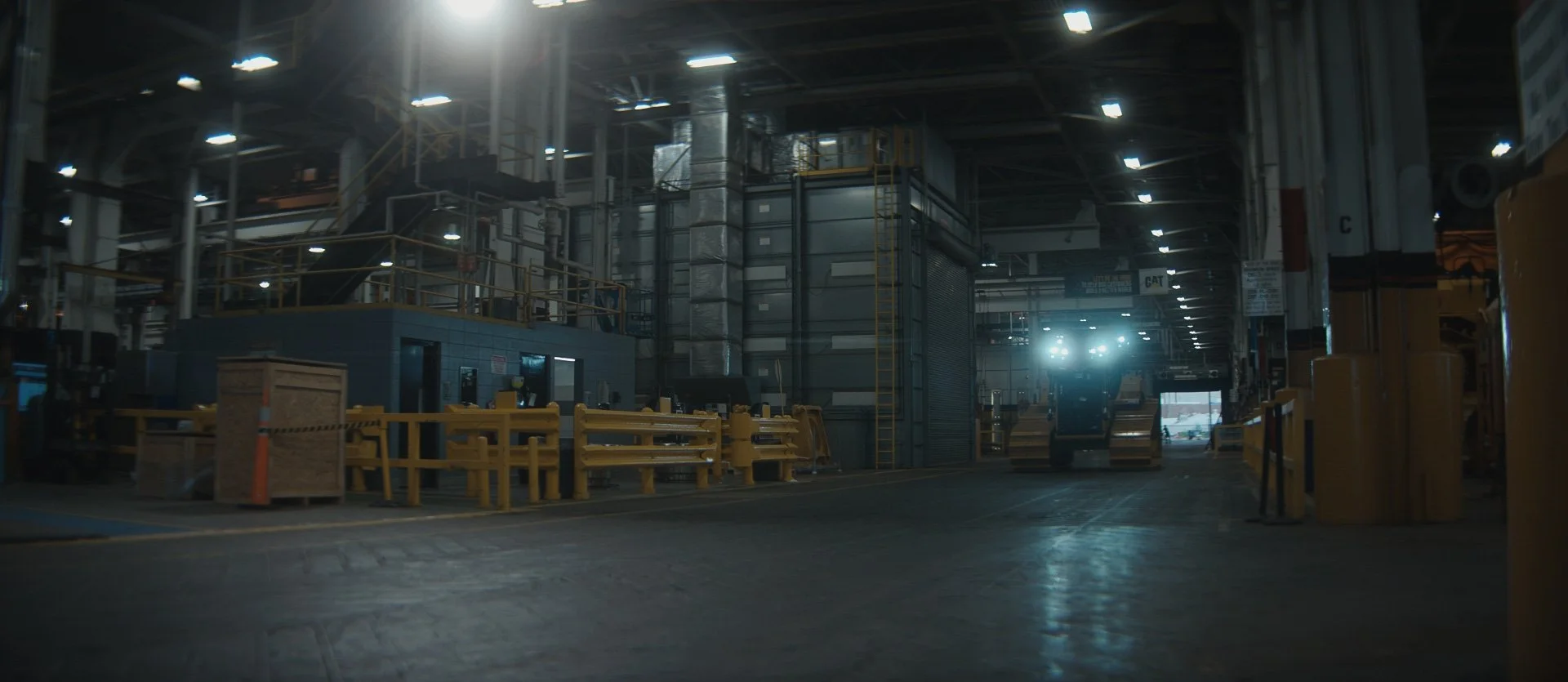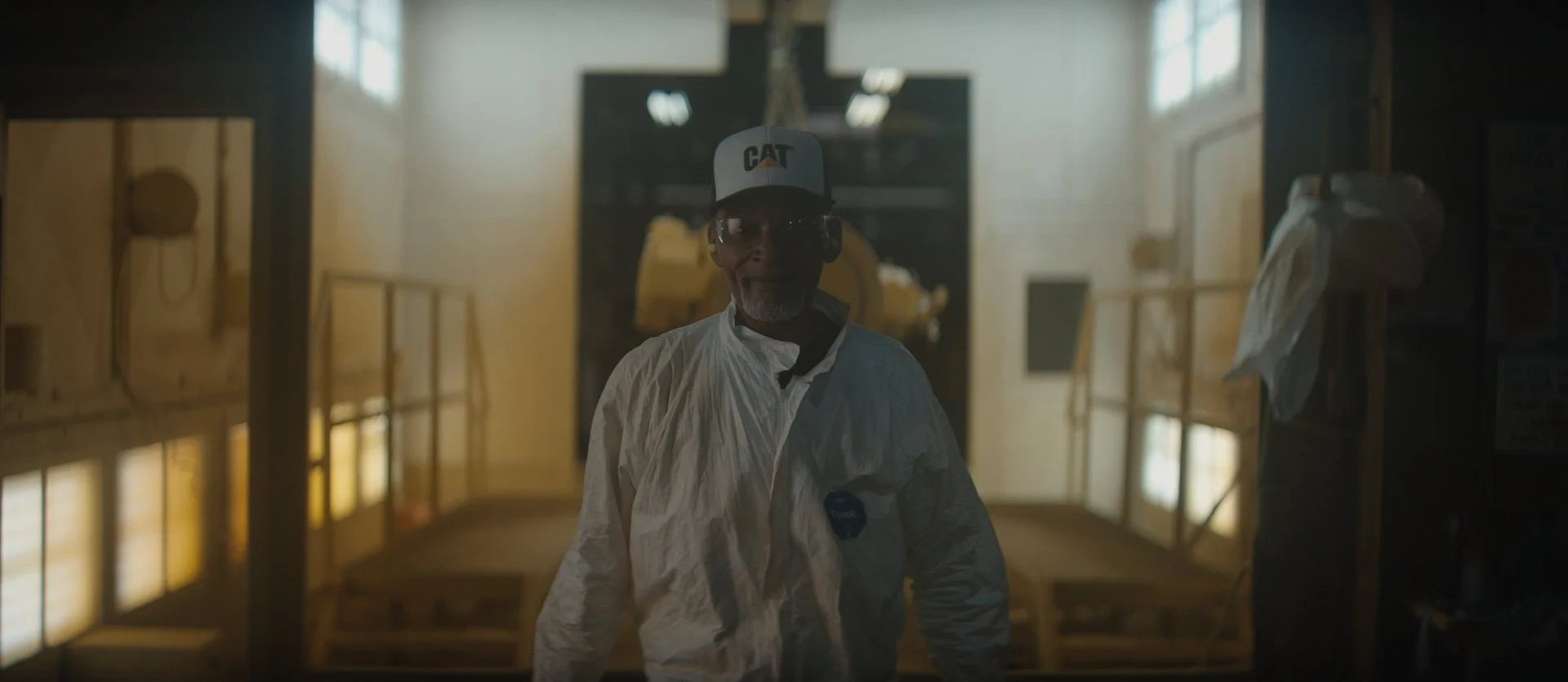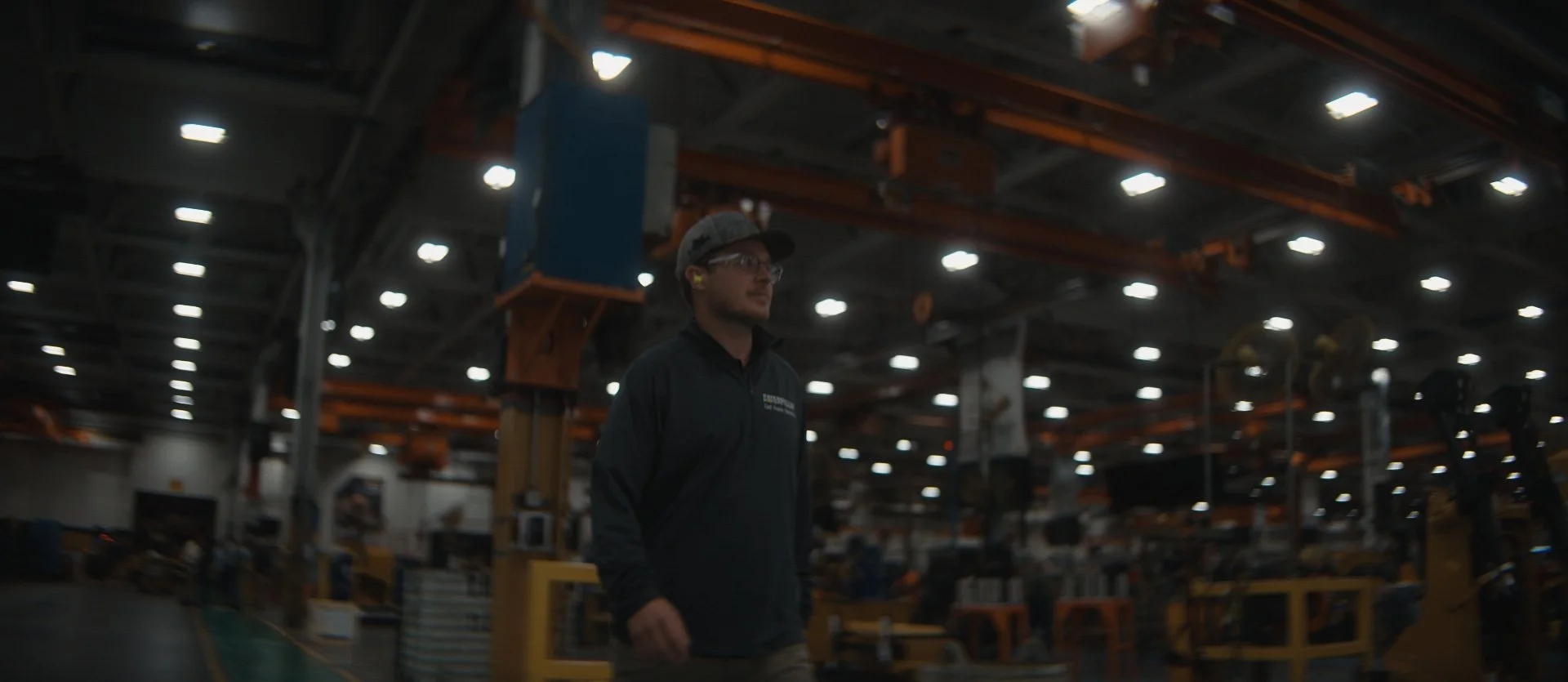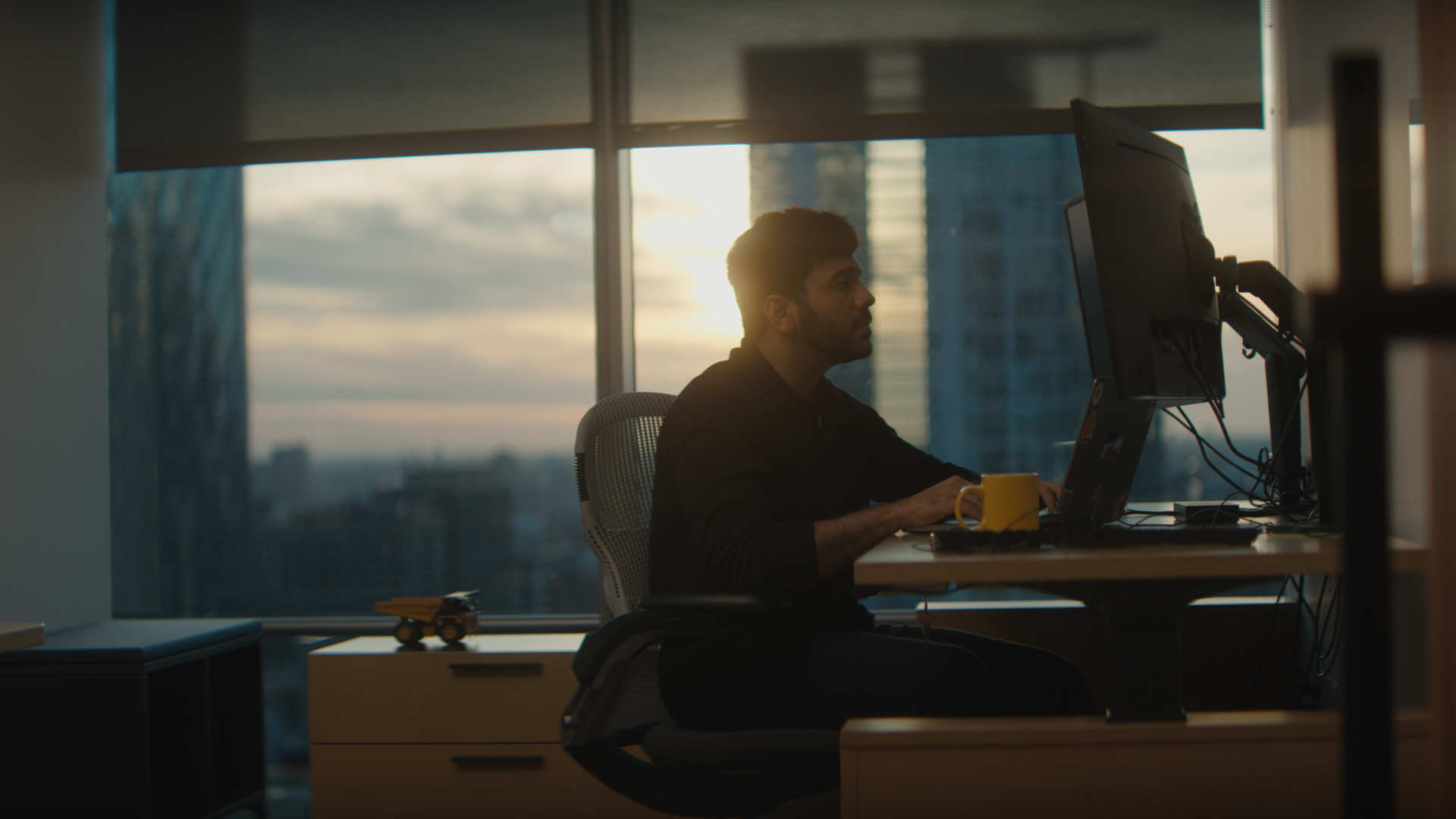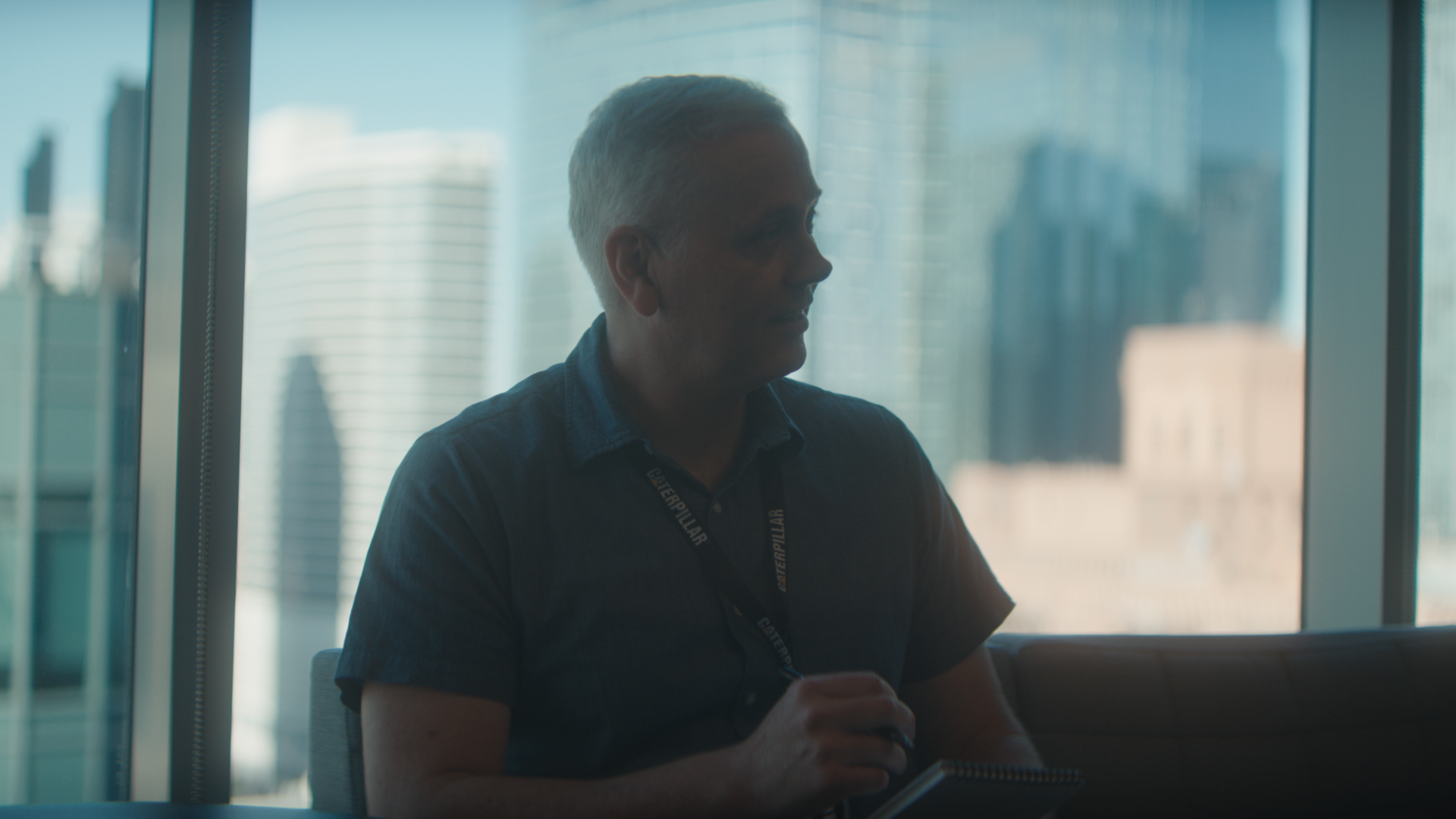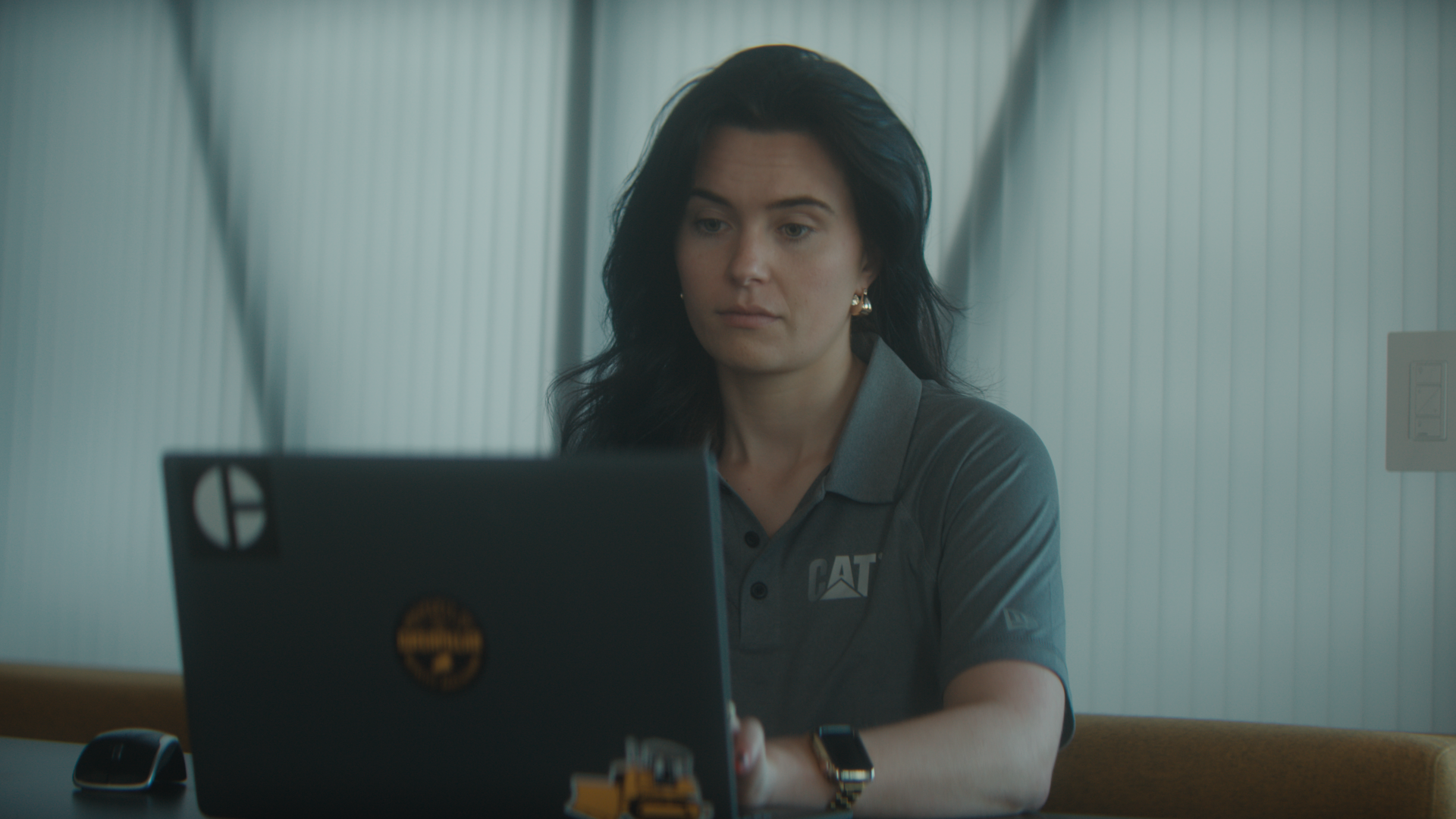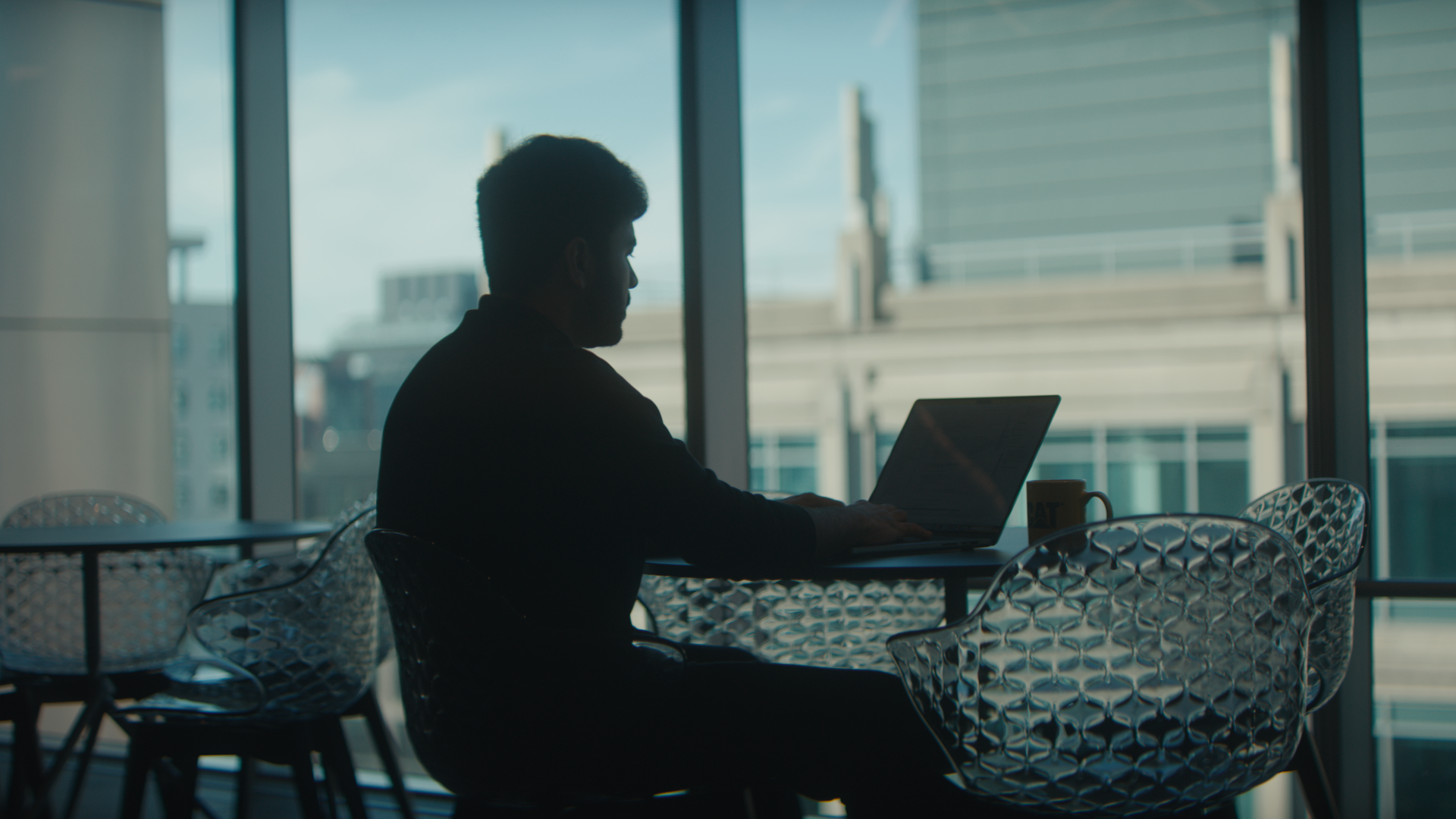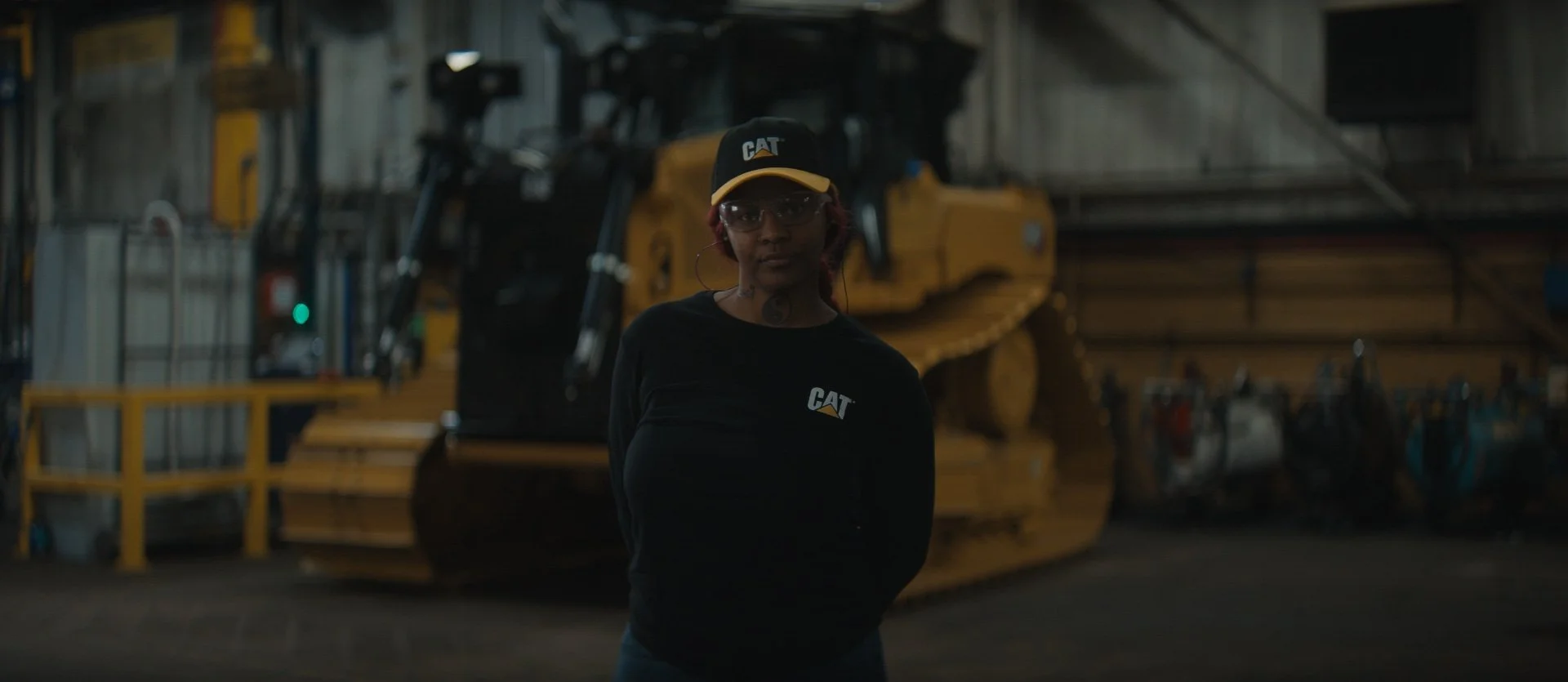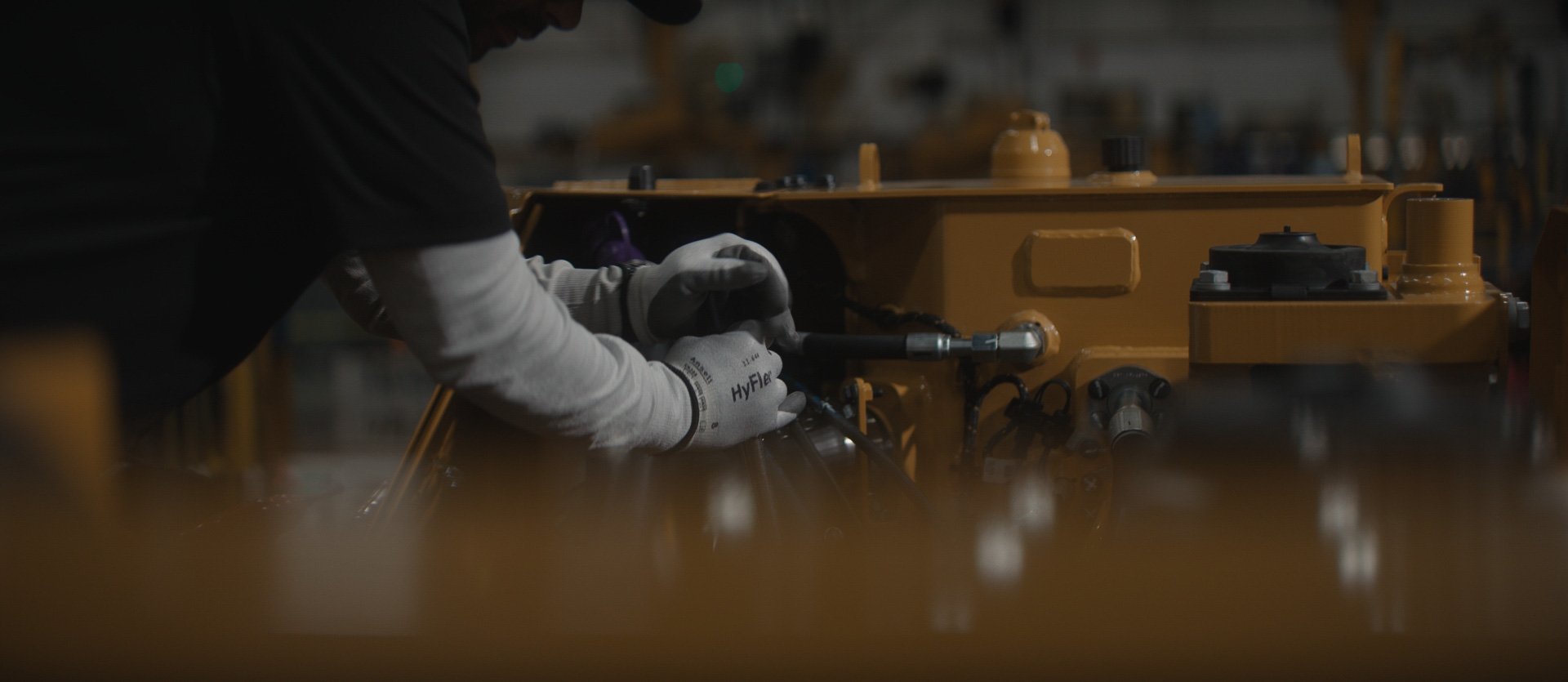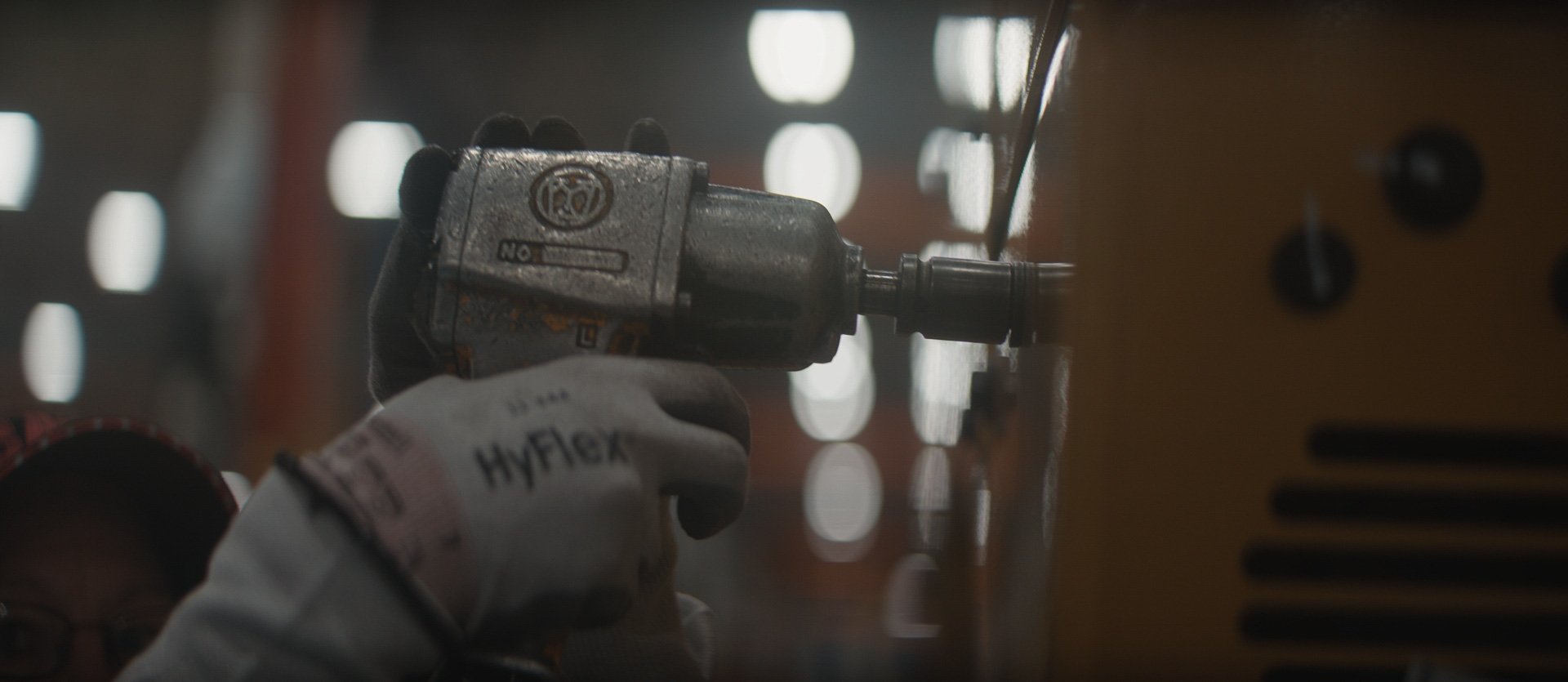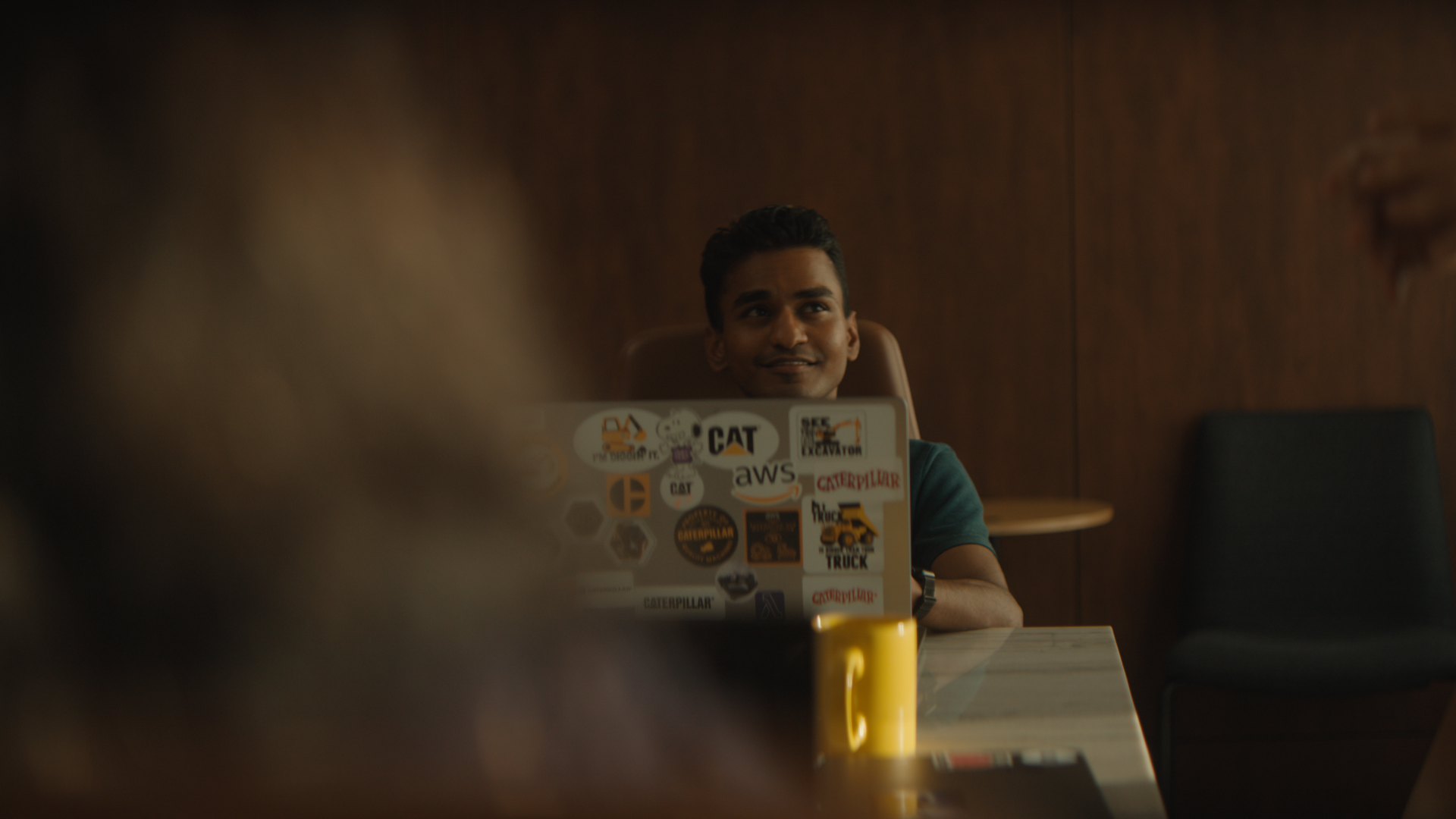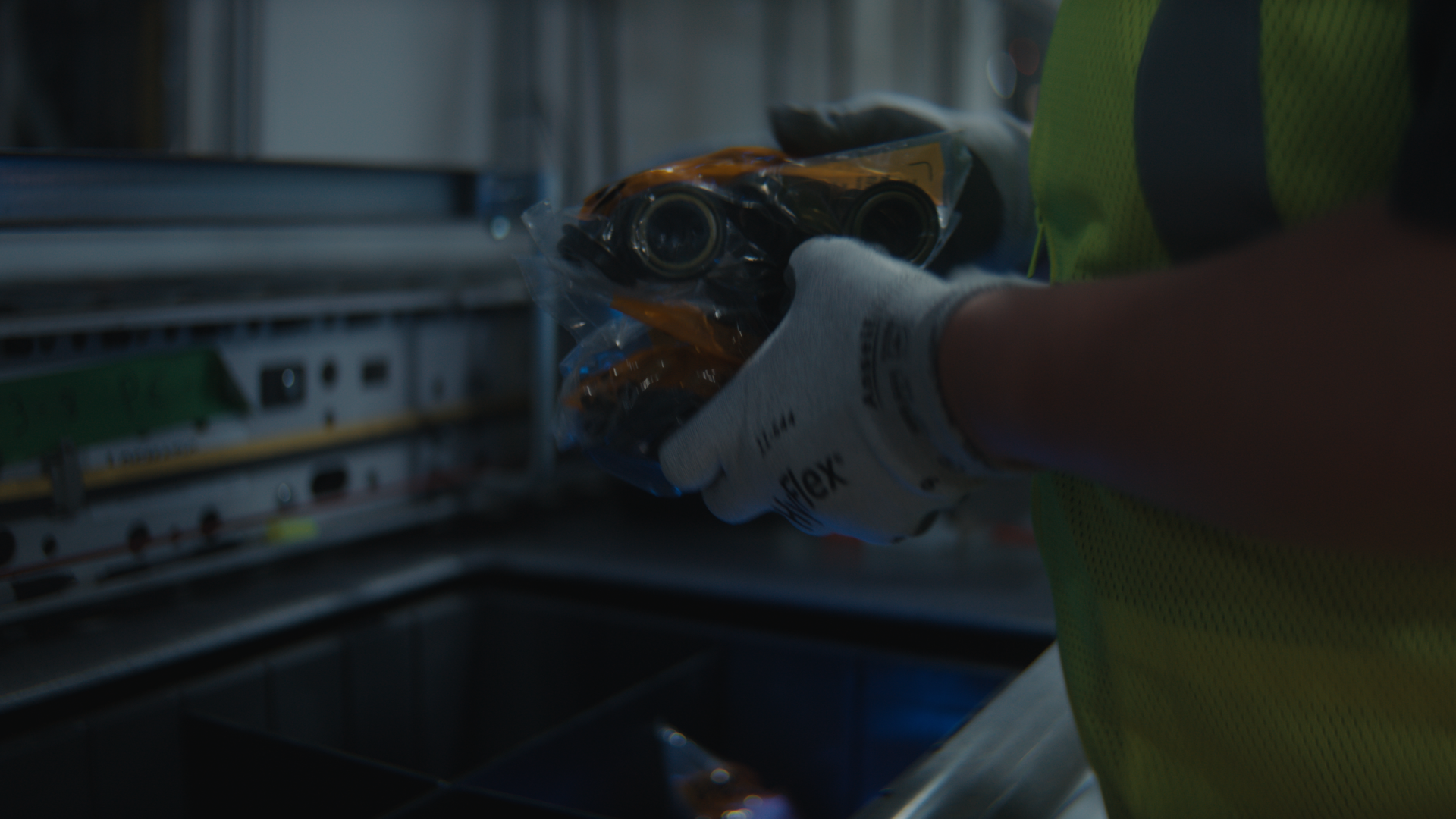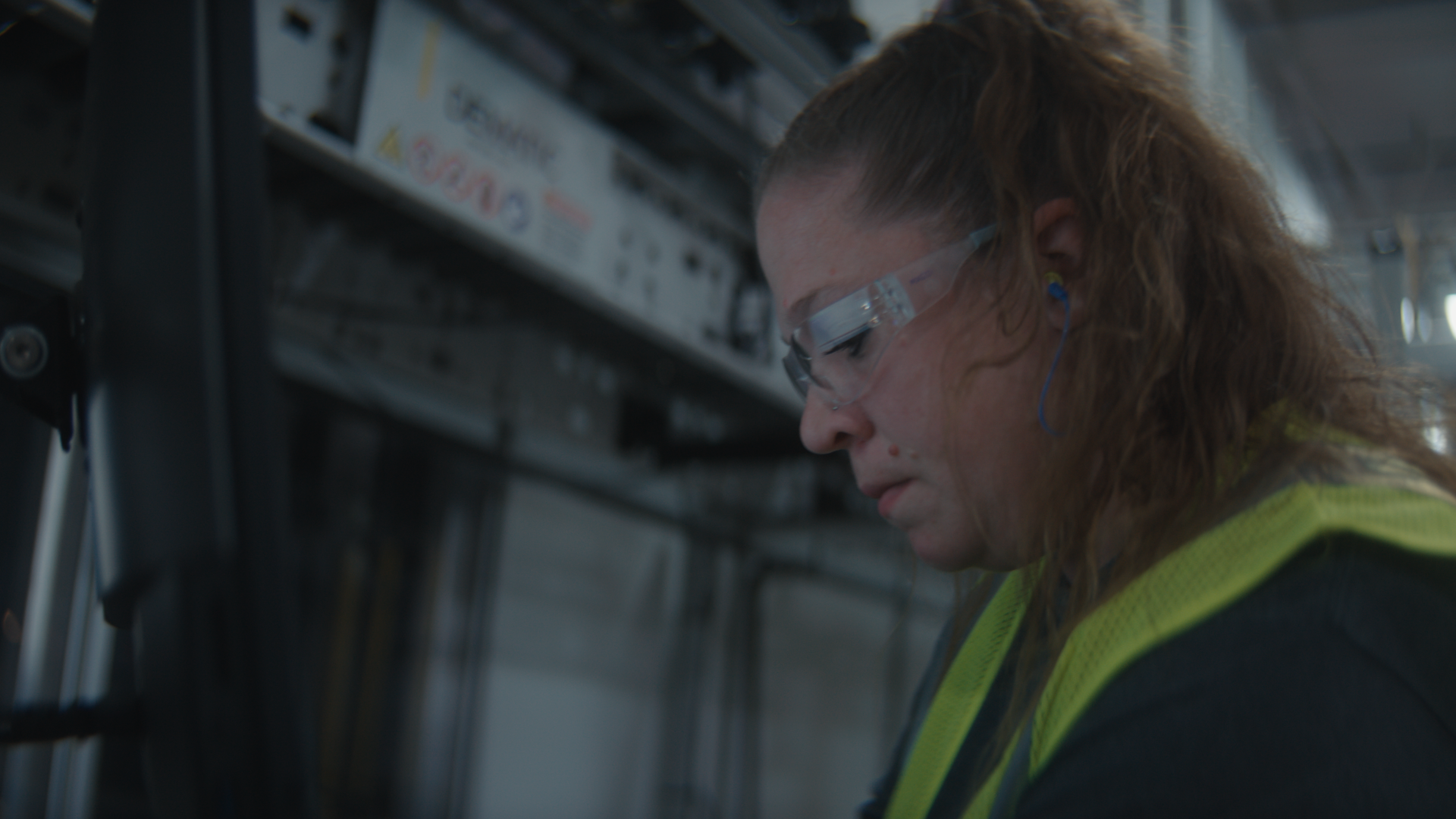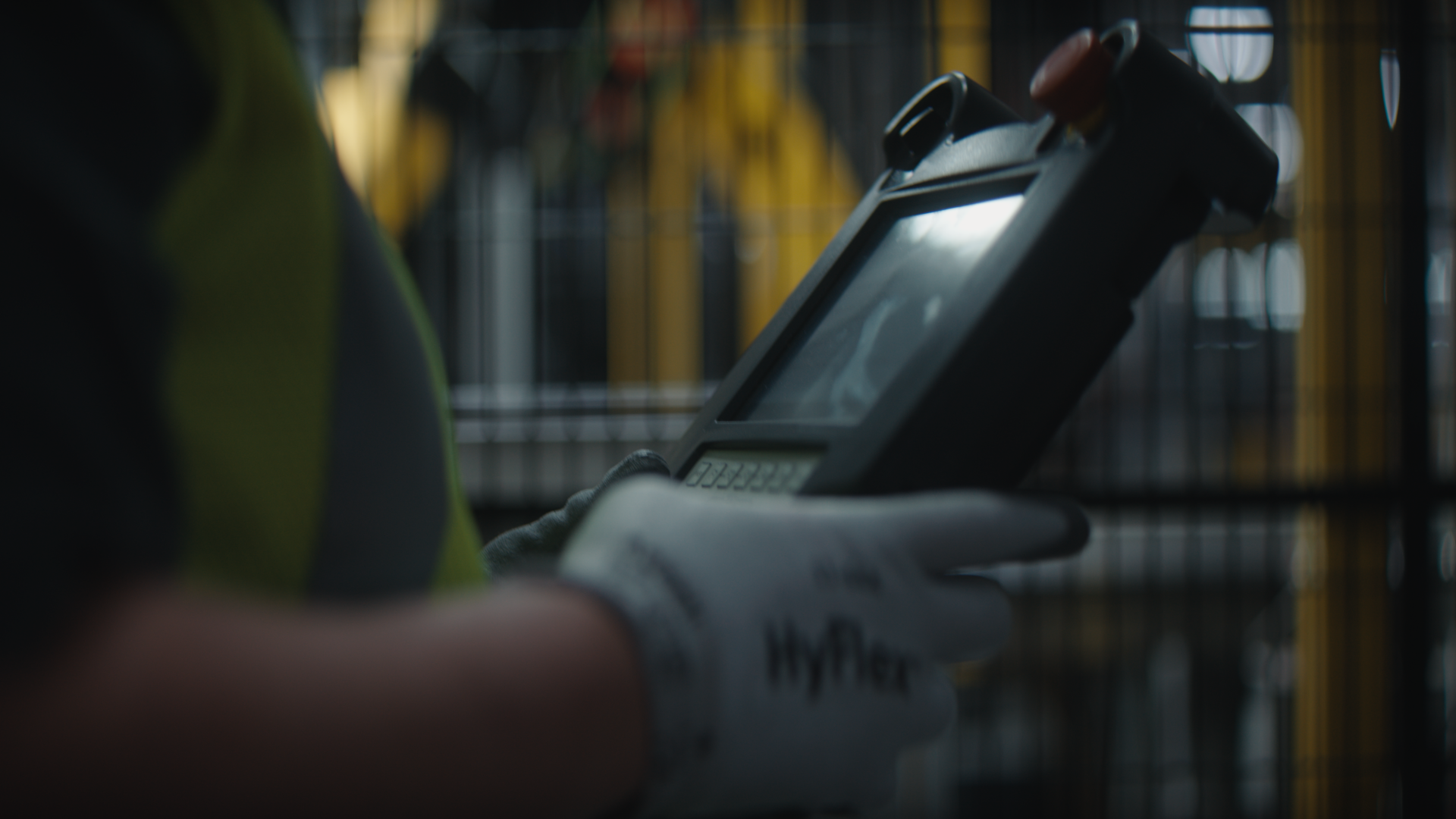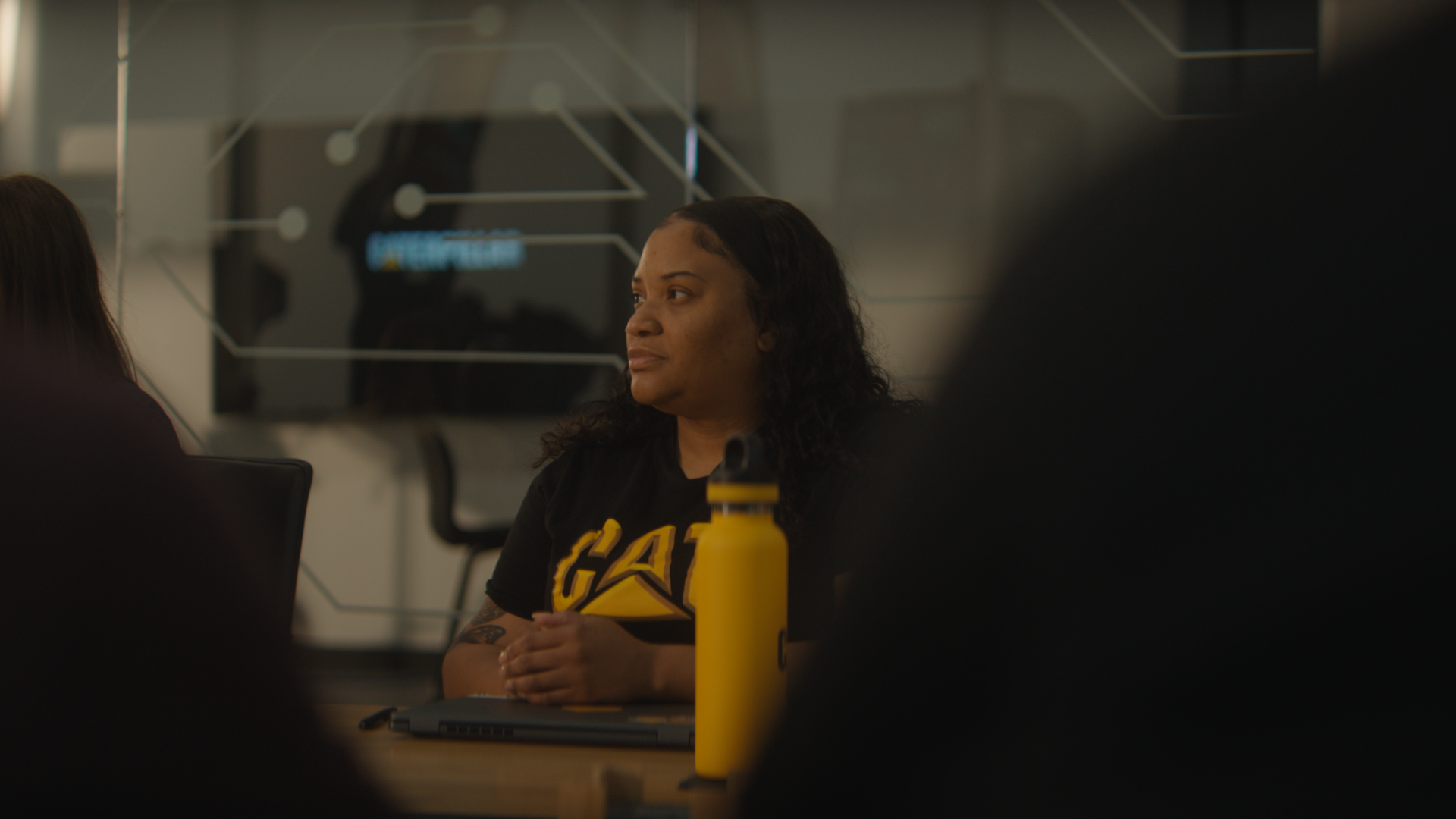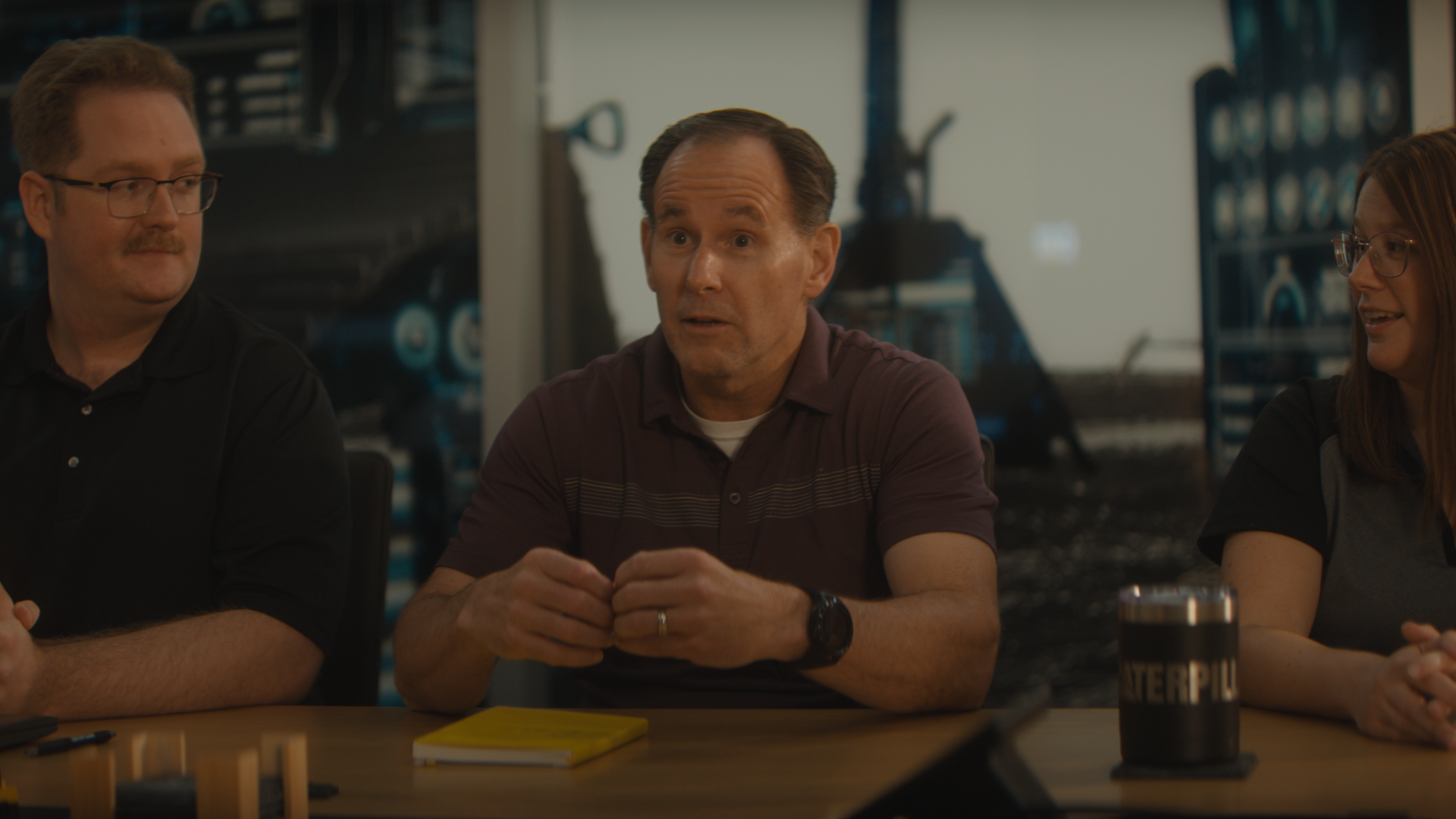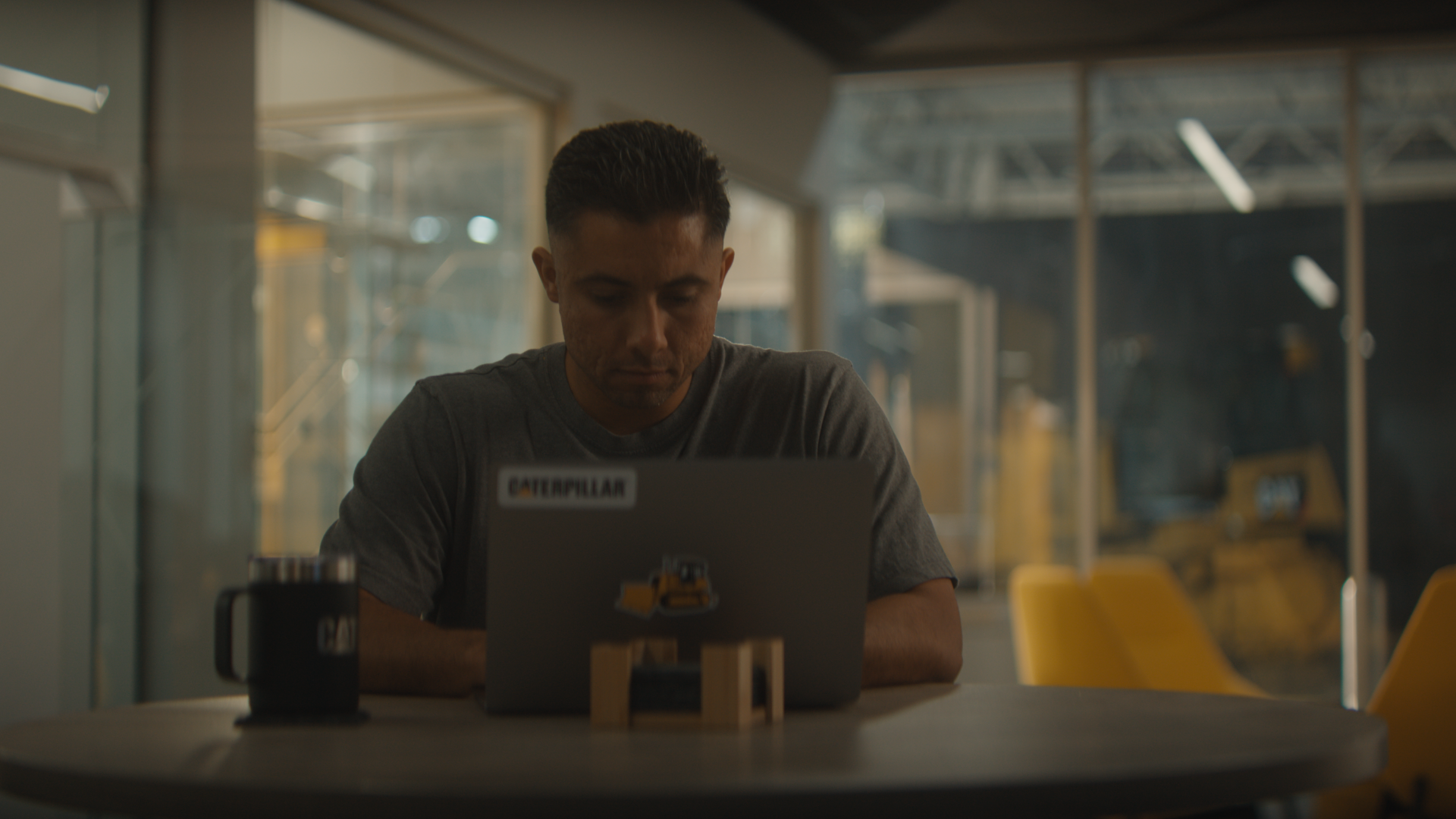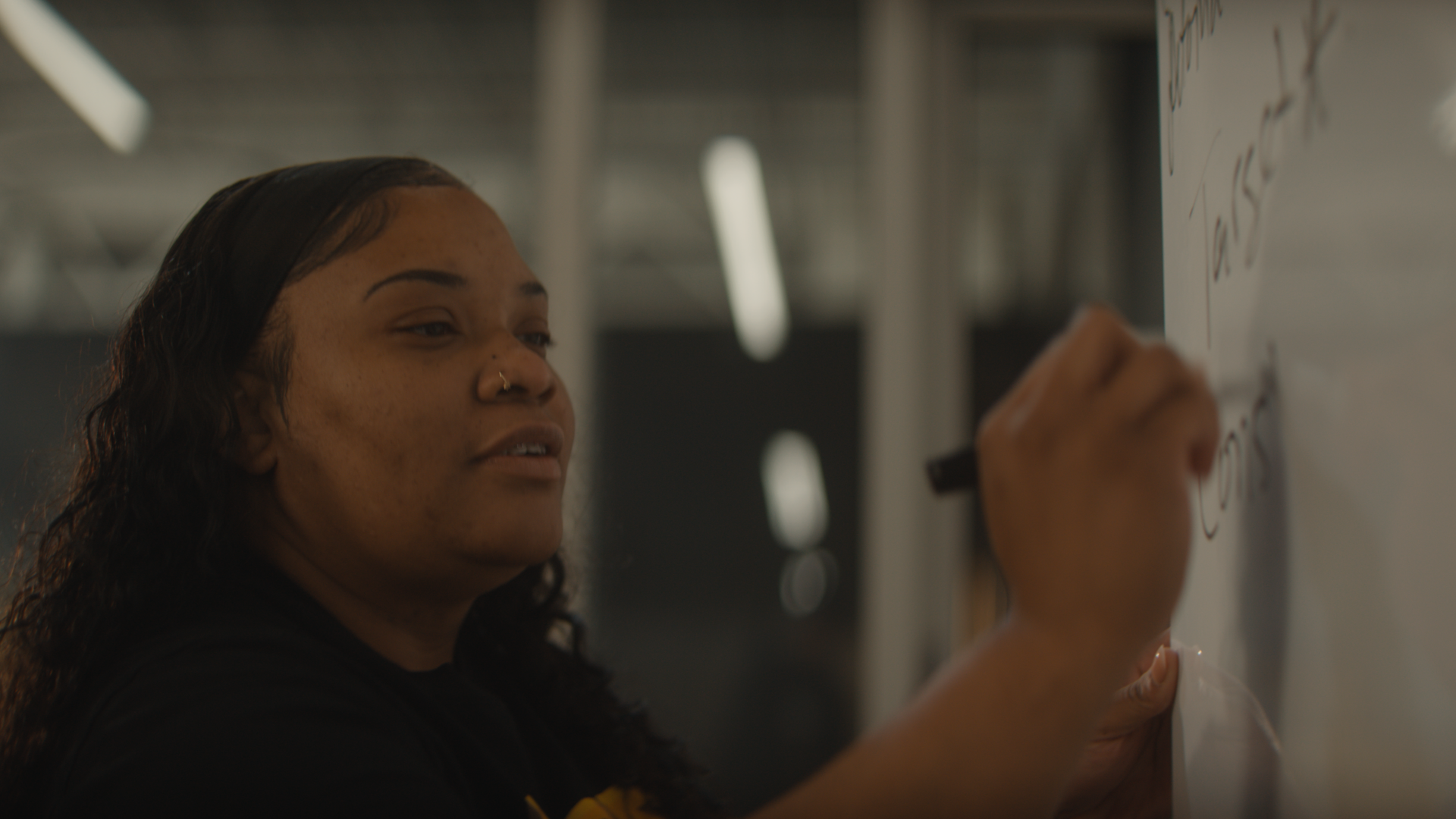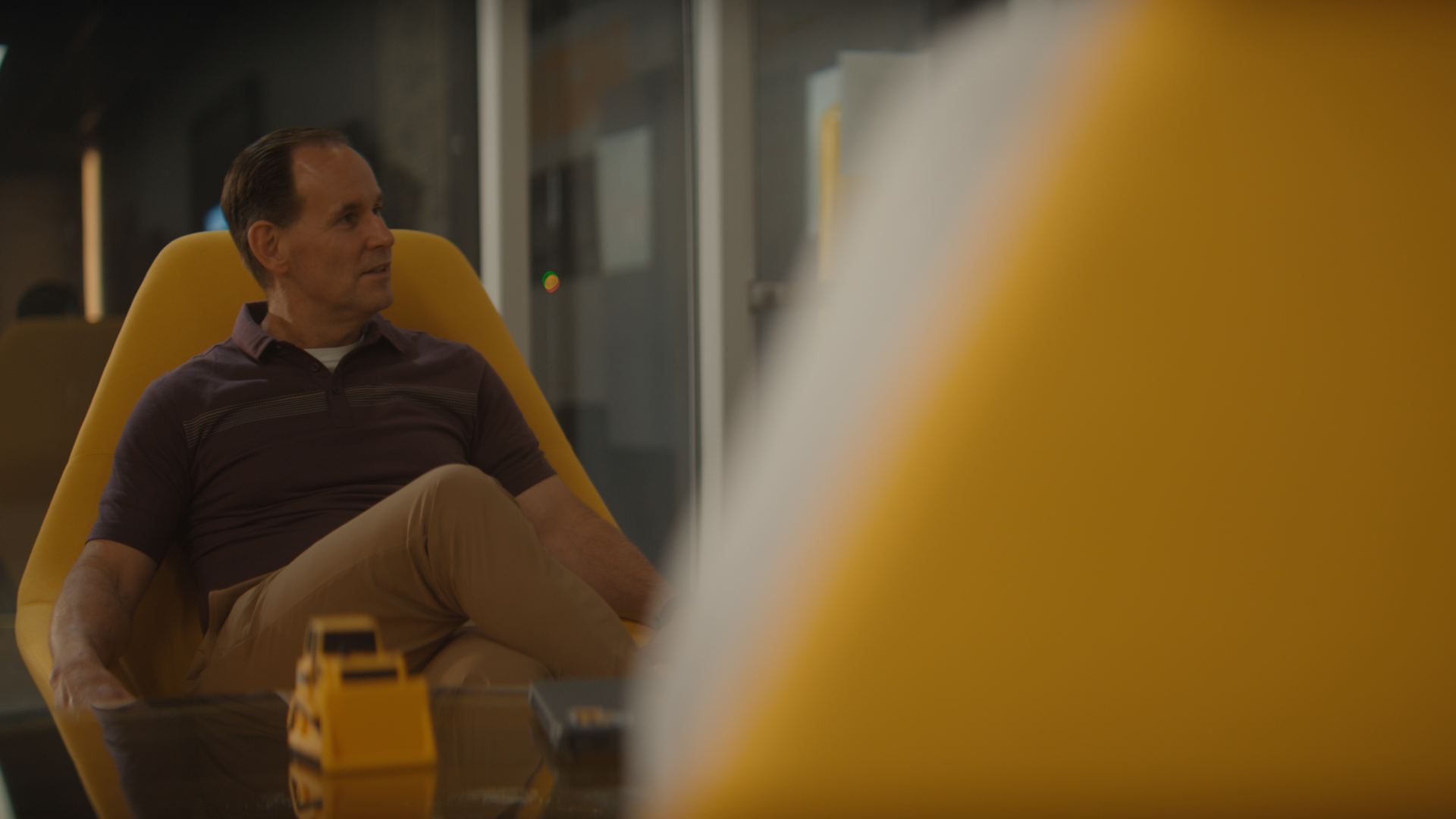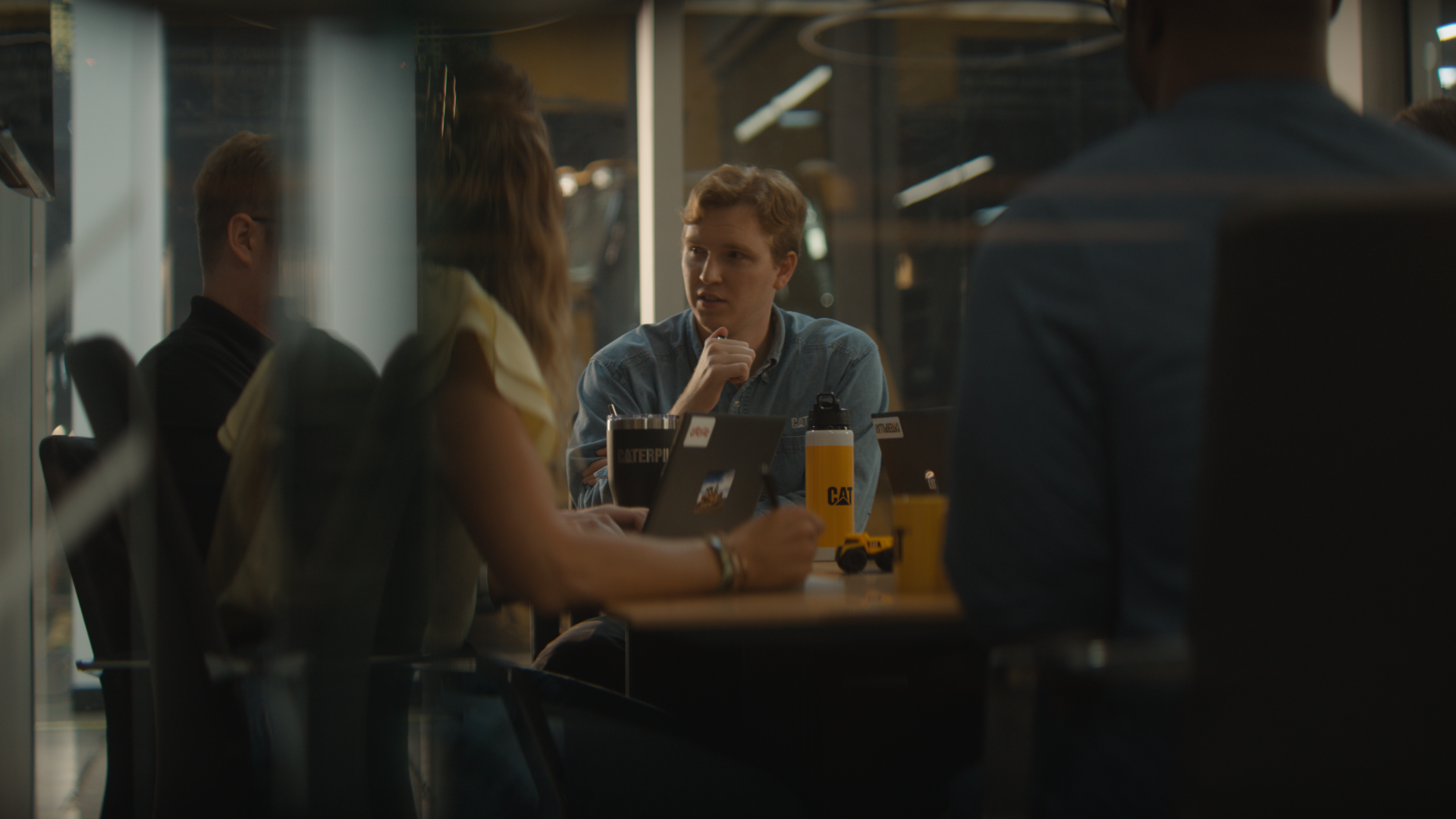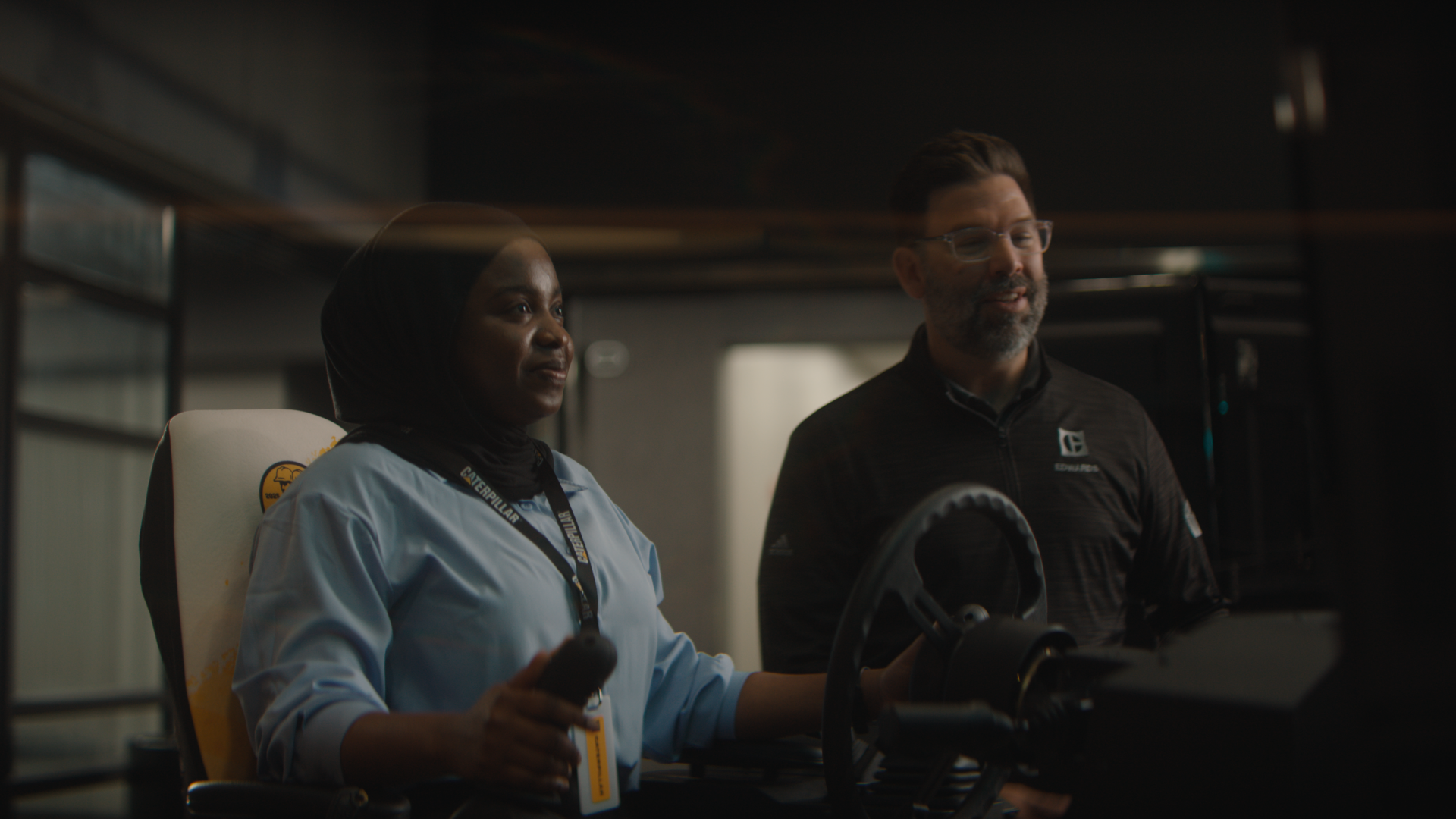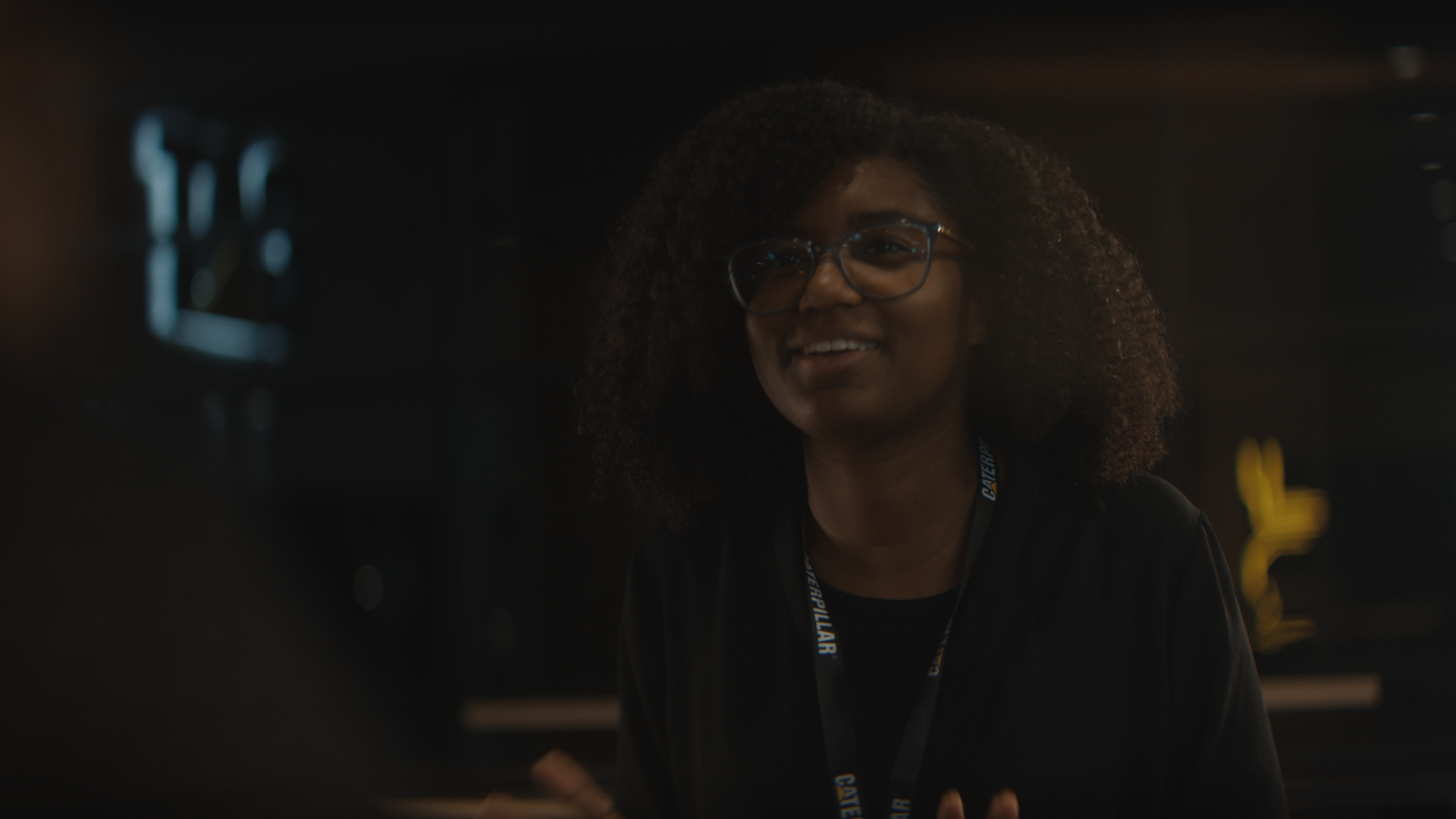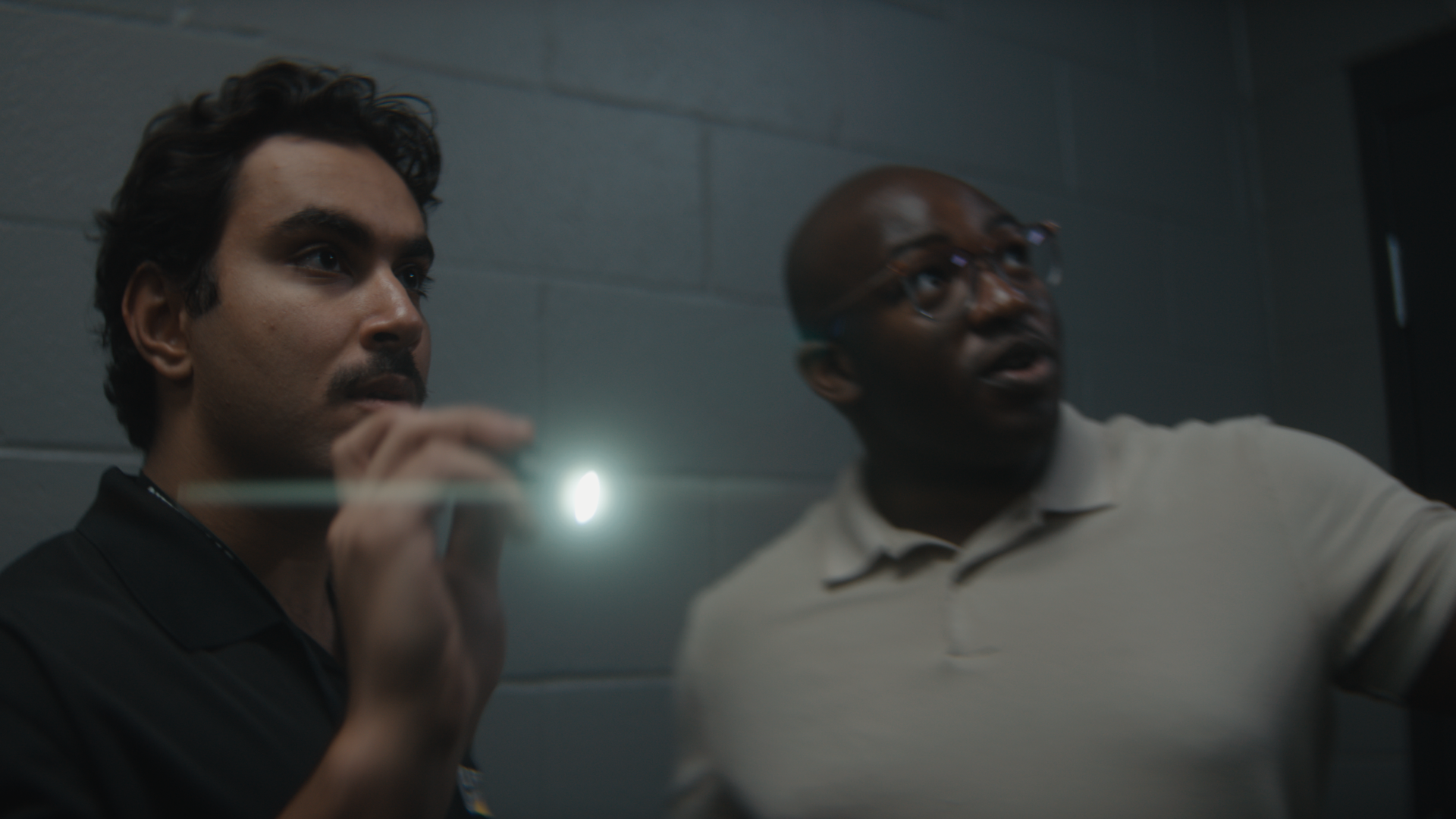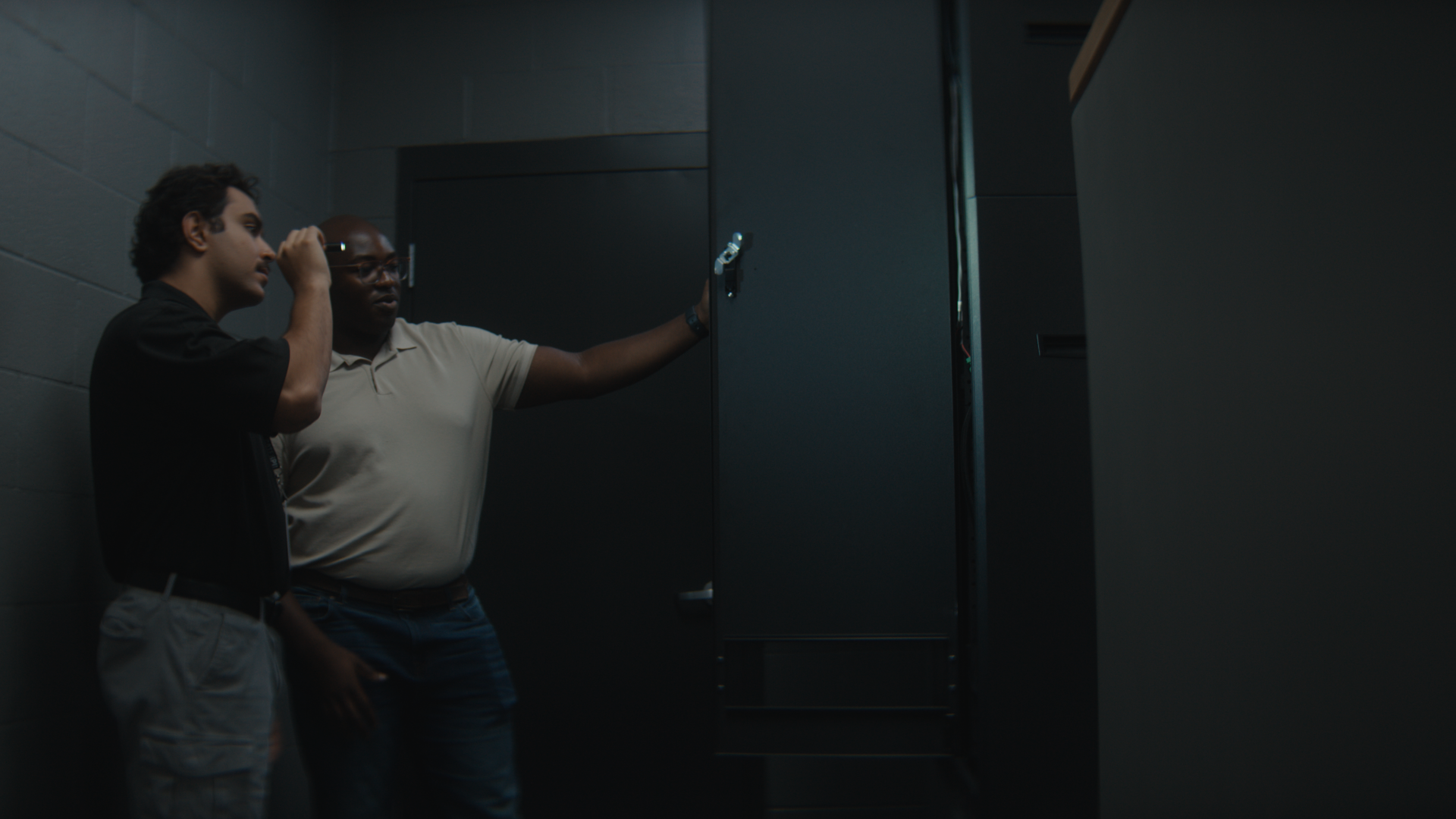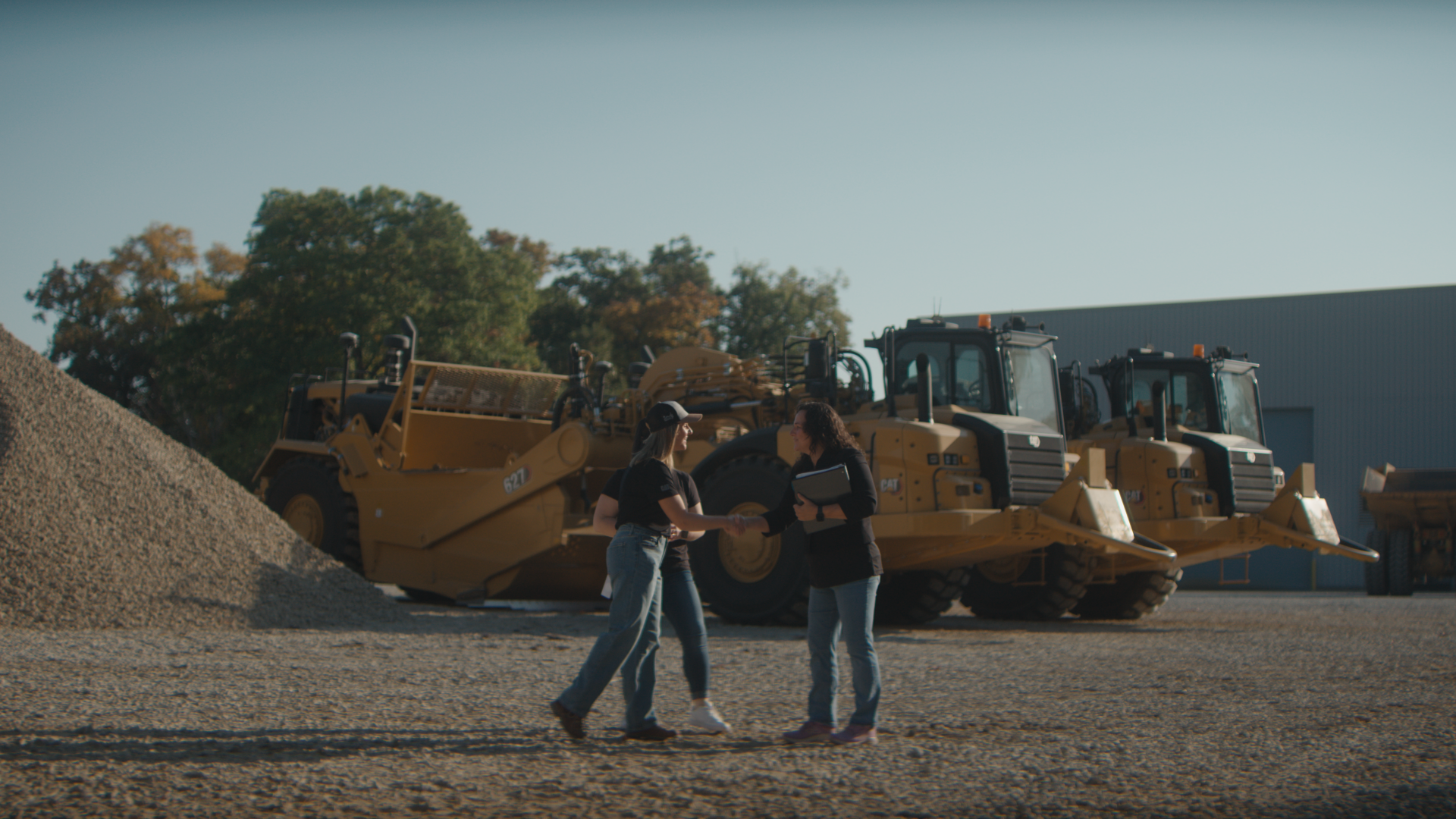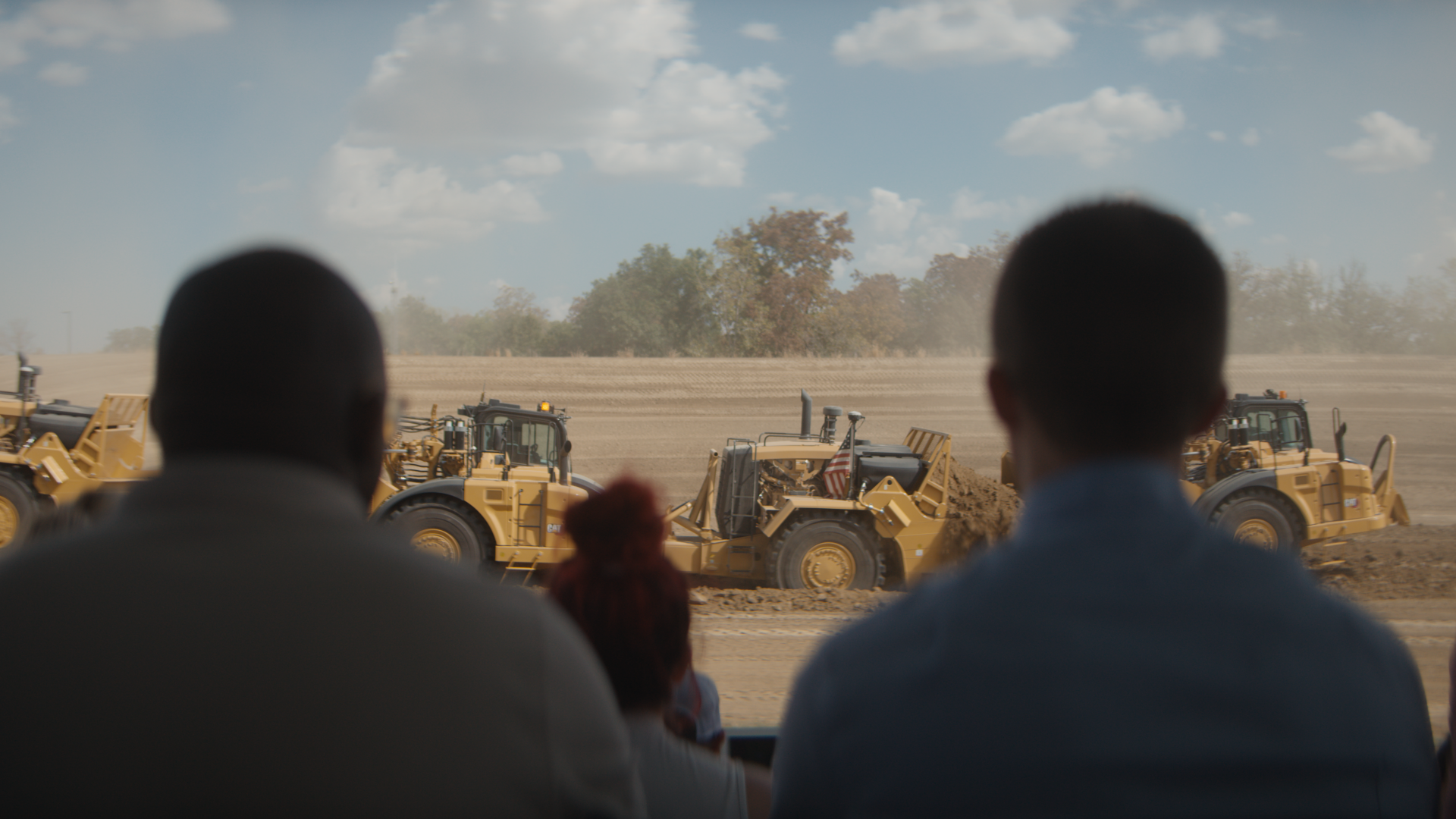
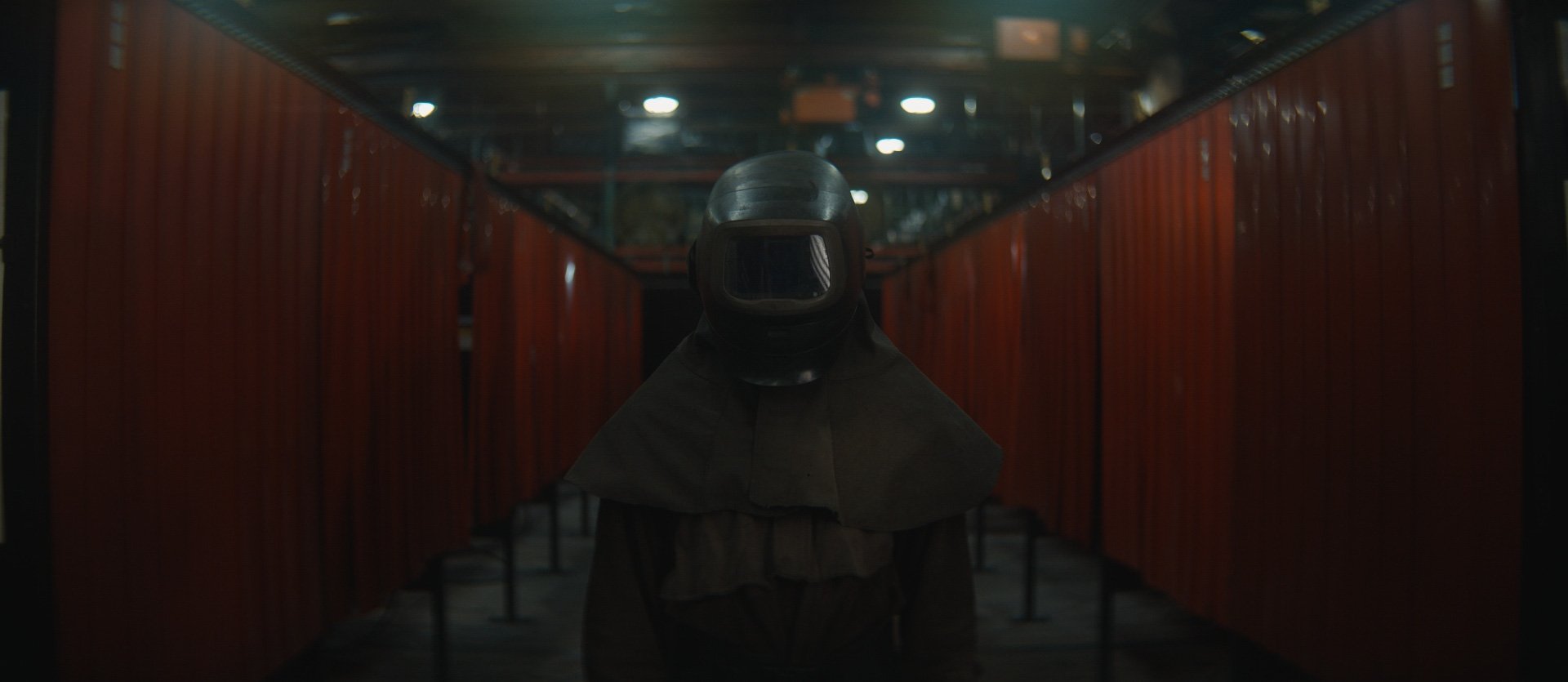
When Caterpillar brought Motion Sick onto their facilities in Peoria, Illinois and Chicago, the brief was straightforward: capture the people and culture behind one of the most recognized industrial brands in the world. What we built was something bigger.
Over five days embedded across two locations, we didn't just shoot a video. We built the foundation of a cinematic content library — a systematic archive of manufacturing process, human craft, and industrial scale that Caterpillar's teams can draw from across every use case, every channel, and every market.
We think about content the way engineers think about infrastructure — build it once, maintain it and upgrade it over time, and designed to carry more weight with every year that passes.
Cinematic Infrastructure
-
Six weeks before a camera rolled, we were on the floor. Learning the production pipeline from fabrication through final assembly. Meeting the craftsmen who build these machines. Understanding what the story actually was before we tried to tell it.
That pre-production investment is the difference between footage that documents and footage that performs. When shoot week arrived, we knew exactly what we were capturing — and why every frame mattered.
-
A comprehensive cinematic library spanning Caterpillar's manufacturing culture — from the rhythm of the factory floor to the precision of final assembly. Shot on Sony Venice 2 with a full cinema lens package, color graded in-house, and delivered as an organized archive of masters and proxy files immediately usable across internal and external channels.
The primary deliverable was a hero brand film. But the real asset was everything around it — hundreds of cinematic moments captured at a standard most brands have never seen applied to their own operations. B-roll that serves a recruitment campaign today and a global brand spot tomorrow. Footage that doesn't expire.
-
This is what changes when you stop thinking about content as a series of productions and start thinking about it as infrastructure.
Caterpillar operates across dozens of facilities, hundreds of machine categories, and job sites on every continent. The Peoria and Chicago shoot was chapter one. The archive it started will serve their marketing, communications, and internal teams for years — growing more valuable with every phase added, covering more environments, more machines, more of the world where Caterpillar works.
That's what Motion Sick builds. Not a video. An archive.
The Archives.
The Content Library is a custom-built digital asset management interface designed to give Caterpillar's marketing, communications, and internal teams instant access to every piece of cinematic footage captured across their facilities. The interface is organized into phases, mirroring the real-world shoot schedule, with Peoria and Chicago already live and future locations added as the library grows.
On the left, a persistent filter panel lets users narrow the entire archive by environment, subject, format, lighting, tone, and camera specifications simultaneously. Every clip is tagged with a comprehensive metadata system across six categories, meaning a social media manager searching for "golden hour · wide shot · outdoor" finds exactly what they need in seconds without emailing the production team or digging through hard drives. The main grid displays all assets as cinematic thumbnails with clip ID, resolution, and duration visible at a glance — clicking any card opens a detailed panel on the right showing the full metadata profile, camera specifications, color grade version, and phase location, with one-click options to download the camera-original master file or a lightweight proxy for editorial use. The library is managed and maintained by Motion Sick — every new phase of footage is ingested, tagged, and organized to the same standard before delivery, so the archive stays consistent and searchable as it grows year over year.